



How To Stop Hair From Going Down Shower Drain?
Hair is the leading cause of clogged Shower Drains. It wraps together, traps soap residue, and forms dense bundles that restrict water flow. Over time, even a properly sized pipe can drain slowly because the blockage is no longer the pipe itself, but the hair buildup inside the drain body and trap. The most effective solution is prevention. Stopping hair at the surface level keeps it out of the trap and branch line, where removal becomes more difficult and costly.
This article explains how to prevent hair from going down a shower drain, how drain design affects maintenance, and what practical steps ensure long-term drainage performance. If you are planning an upgrade or evaluating new systems, you can review ODO’s shower drain solutions for maintenance-friendly options.
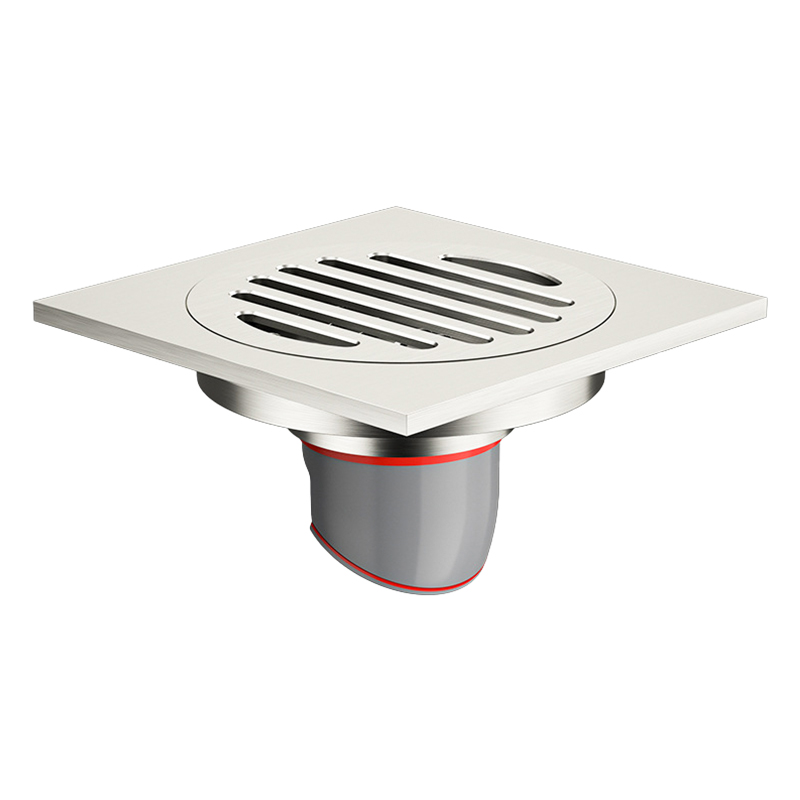
Why Hair Causes Drain Problems So Quickly
Hair alone does not instantly block a pipe. The real issue is the combination of hair, soap scum, conditioner residue, and body oils. These materials bind together and stick to internal drain surfaces. Once a small net forms, it captures additional debris, gradually narrowing the flow path.
In hard water regions, mineral deposits create rough internal surfaces that allow hair to cling even more easily. This accelerates clog formation. Preventing hair from entering the drainage path is far more effective than repeatedly clearing blockages after they form.
Capture Hair At The Surface Level
The most reliable strategy is to intercept hair before it reaches the trap. A properly fitted hair catcher or strainer installed at the drain inlet prevents strands from traveling deeper into the system.
In point drains, this typically means a removable basket or cup-style insert placed directly below the grate. In Linear Drains, hair often accumulates along the channel and at the outlet throat. A linear drain should include a removable strainer positioned where the channel discharges into the body.
Fit is critical. If the catcher does not sit securely, hair can bypass the edges and enter the trap. A durable shower drain with a well-matched strainer system minimizes these bypass paths and keeps debris in an accessible cleaning zone.
Choose The Right Prevention Method For Your Drain Type
Different drain styles require slightly different approaches to hair control.
Point Drains
Point drains collect water at a single opening. Hair control depends heavily on the basket insert. The basket should balance two factors: holes large enough to maintain flow, yet small enough to capture strands. If openings are too wide, hair passes through. If too fine, the basket clogs quickly and requires frequent cleaning.
Linear Drains
Linear drains collect water across a channel. Hair may spread along the channel floor before reaching the outlet. For this reason, prevention involves both a channel strainer and regular cleaning of the interior surface. Soap film inside the channel acts as adhesive, making hair accumulation faster if the surface is not cleaned periodically.
A practical linear drain design allows the cover to lift easily so the entire channel can be rinsed and wiped without tools.
Improve Shower Habits To Reduce Hair Load
Hardware alone does not solve the problem. Small routine habits significantly reduce how much hair reaches the drain.
Brushing hair before showering removes loose strands. Collecting hair from shower walls before turning off water prevents a final surge into the drain. Rinsing heavy conditioner away from the immediate drain opening reduces sticky residue that traps strands.
These habits are especially helpful in rental properties or multi-user environments where drains face higher hair loads.
Keep The Drain Interior Clean And Smooth
Hair sticks more easily to rough or corroded surfaces. Over time, residue buildup creates micro-textures inside the drain body that encourage clogs.
Regularly rinse the drain opening with warm water and wipe accessible surfaces. In linear drains, clean the channel interior periodically to prevent soap film formation. A durable shower drain constructed with corrosion-resistant materials maintains smoother surfaces, making hair less likely to cling.
Establish A Maintenance Routine
Prevention requires consistency. In many households, cleaning the hair catcher once per week is sufficient. In high-use settings such as gyms or hospitality bathrooms, cleaning may need to occur more frequently.
The goal is to remove hair before it compacts into dense clumps. Once hair overflows the catcher and enters the trap, prevention becomes less effective and mechanical cleaning may be required.
Use Drain Covers That Fit Properly
A poorly seated drain cover can create uneven gaps around the frame. Water and hair may flow around the catcher instead of through it. Ensure the cover sits flat and stable. Confirm that the strainer is correctly positioned and not tilted.
In renovation projects where the drain body is non-standard, replacing mismatched components or selecting a custom shower drain configuration may eliminate persistent bypass issues.
When Prevention Is Not Enough
If slow drainage continues despite using a hair catcher and maintaining regular cleaning, hair may already be lodged in the trap. Mechanical cleaning may be necessary to restore full flow. After clearing the trap, consistent surface-level prevention will significantly reduce recurrence.
If clogs return quickly even after thorough cleaning, inspect the drain design itself. Some older or poorly designed drains lack effective strainers or have internal shapes that trap debris. Upgrading to a more serviceable configuration can provide long-term improvement.
ODO provides both point drains and linear drains designed with accessible cleaning components and effective hair capture features. You can explore our shower drain collection to review options suitable for tiled showers and wet rooms.
Quick Comparison Of Hair Prevention Methods
| Prevention Method | Effectiveness | Maintenance Level |
|---|---|---|
| Removable basket strainer | High when properly fitted | Weekly cleaning recommended |
| Linear channel strainer | High for wet rooms | Requires periodic channel wipe |
| Silicone surface trap | Moderate | Must be cleaned frequently |
| Routine manual hair removal | Supportive | Daily or weekly habit |
Combining a correctly fitted catcher with simple maintenance habits produces the most reliable results.
Conclusion
Stopping hair from going down a shower drain starts at the surface. A properly fitted strainer or basket, combined with routine cleaning and simple preventive habits, prevents most clog problems before they reach the trap. Keeping drain interiors smooth and residue-free further reduces the risk of buildup. When prevention is built into the drain design, maintenance becomes faster and more predictable.
If you are planning a renovation, managing a multi-unit property, or looking for a durable solution that simplifies hair control and long-term maintenance, contact ODO. Share your drain type, outlet direction, and installation details with our team. We will recommend suitable shower drain options and provide practical guidance to help you maintain smooth, clog-resistant drainage performance.
Previous: