




How To Fix A Slow Shower Drain?
A slow Shower Drain is more than an inconvenience. When water pools around your feet or takes several minutes to disappear after a shower, it signals a restriction somewhere in the drainage path. In most residential and light commercial bathrooms, the cause is hair and soap buildup near the drain body or in the trap. In other cases, the issue may involve deeper branch piping or airflow imbalance. Solving the problem correctly requires identifying the blockage location and applying the right method rather than relying on guesswork.
This article focuses specifically on shower systems, including tiled showers, wet rooms, point drains, and Linear Drains. If you are evaluating upgrade options or planning a renovation, you can review ODO’s shower drain systems to understand how serviceable designs improve long-term performance.
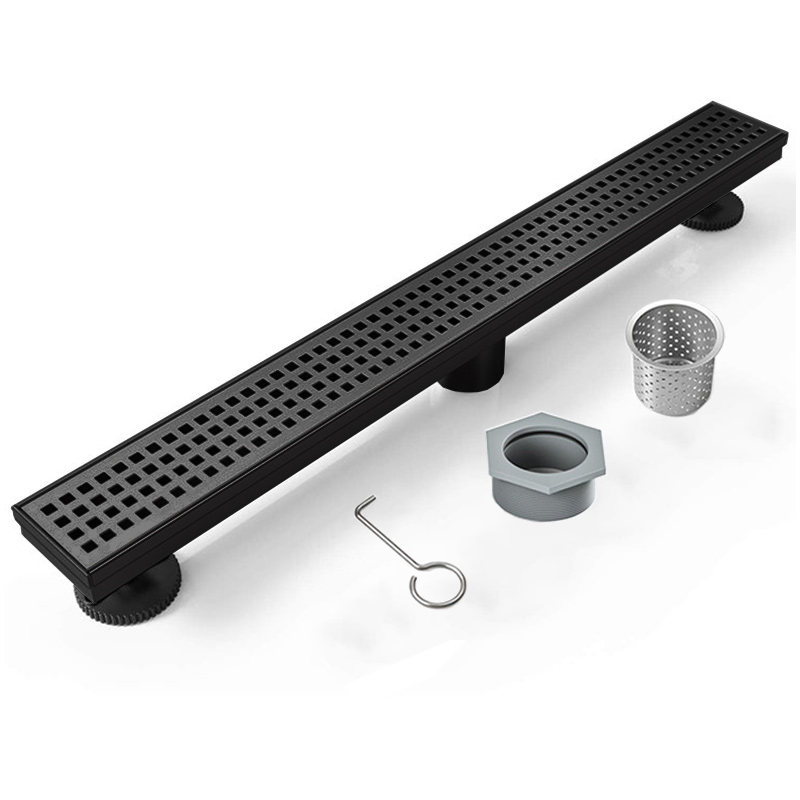
Understand How A shower drain System Works
A shower drain system is composed of several connected parts. Water first enters through the grate or channel. It then flows into the drain body, passes through a strainer if installed, and enters the trap. The trap maintains a water seal to block sewer gases. From there, wastewater flows through the branch line toward the main stack.
A slowdown can occur at any of these zones. In most cases, the restriction forms at the inlet or trap area, where hair binds with soap residue. Less frequently, deeper piping or venting issues disrupt smooth drainage. Identifying the correct zone prevents unnecessary chemical use or invasive demolition.
Identify The Type Of Slow Drain Pattern
Before starting repairs, observe the symptoms carefully.
If water pools during use but clears shortly after, the blockage is likely near the surface. If water lingers for a long period or rises quickly during use, the restriction may be in the trap or branch line. If you hear gurgling sounds or notice intermittent odor, airflow imbalance or partial venting issues may be contributing factors.
Understanding this pattern helps you choose the correct cleaning depth.
Clean The Surface And Inlet Area Thoroughly
The majority of slow shower drains originate at the surface. Remove the drain grate carefully and inspect the visible opening. Hair mats often form just below the cover, especially in point drains. In linear drains, debris accumulates along the channel and at the outlet throat.
Use gloves to remove visible hair and debris. Avoid pushing debris deeper into the drain. Once cleared, flush with warm water to test improvement. If drainage speed improves noticeably, the primary obstruction was near the inlet.
A practical shower drain design with a removable cover and smooth channel walls significantly reduces this type of buildup.
Remove And Clean The Strainer Or Basket
Many modern shower drains include a removable hair catcher. If this component is clogged, water flow slows even when the pipe itself is clear.
Lift out the strainer and clean it completely. Ensure it sits flat and secure when reinstalled. If the strainer is missing or damaged, replacement can greatly reduce recurring blockages.
A durable strainer is one of the most effective preventive elements in any shower system.
Clear The Trap Zone With Mechanical Tools
If cleaning the inlet does not resolve the issue, debris may be lodged in the trap. A flexible plastic drain tool or a small hand auger can remove hair from this zone.
Insert the tool gently and rotate slowly. When resistance is felt, avoid forcing the cable, which can push debris further or damage fittings. Withdraw the tool carefully and remove debris. Repeat until resistance decreases and water flows freely.
Mechanical removal is preferred over aggressive chemical cleaners. Chemicals may soften buildup but often fail to remove dense hair clumps entirely.
Flush And Test Flow Stability
After clearing debris mechanically, flush the drain with hot water to remove loosened residue. Observe whether water now clears the shower floor during continuous flow. Consistent drainage under full shower pressure indicates the blockage has been addressed effectively.
If improvement is temporary or minimal, the obstruction may extend beyond the trap.
Evaluate Branch Line Restrictions
When surface and trap cleaning fail to resolve the problem, the blockage may be located deeper in the branch line. This is more likely if:
The shower drains slowly even after repeated cleaning
Multiple fixtures show partial slowdown
Water backs up rapidly under normal flow
At this stage, a longer auger or professional inspection may be required. Deep branch restrictions are less common than surface clogs but require specialized tools to resolve safely.
Consider Venting And Airflow Balance
Drainage depends on air movement as well as water flow. If the plumbing system lacks proper airflow balance, water may drain slowly even without a heavy clog.
Common indicators of vent-related issues include gurgling sounds when nearby fixtures discharge or inconsistent drain speed depending on other bathroom use.
Venting problems typically require plumbing evaluation rather than simple cleaning.
Linear Drain Specific Maintenance
Linear drains behave differently from point drains. Because water collects along a channel, residue can form a thin film across the channel base. Over time, this narrows the effective flow area.
To fix a slow linear drain, remove the cover and clean the entire channel length, not just the outlet. Use a brush that matches the channel width and rinse thoroughly. Focus on the outlet throat where the channel meets the body.
A durable linear drain with smooth interior surfaces simplifies this process and reduces maintenance time.
Prevent Recurring Slow Drain Issues
Once flow is restored, preventive maintenance becomes essential.
Regularly remove hair from the grate and strainer. Rinse the drain area with warm water after heavy use. Avoid pouring oily products or thick residues into the drain.
Drain designs that support easy access encourage consistent maintenance. For renovation projects or new installations, selecting a shower drain with accessible cleaning components reduces long-term service problems.
You can explore maintenance-friendly options within ODO’s shower drain range to evaluate configurations suited for tiled showers and wet rooms.
When Replacement May Be Necessary
Cleaning resolves most slow drain issues. However, replacement may be justified when:
The drain body shows corrosion that traps debris. The waterproofing interface has failed. The outlet geometry restricts flow due to outdated design. The strainer cannot be fitted properly.
In renovation projects, upgrading to a more serviceable model can improve both durability and maintenance efficiency. For installations with specific floor depth or outlet direction requirements, a custom shower drain configuration may offer better alignment with plumbing layout and structural conditions.
Summary Table Of Common Slow Drain Causes
| Symptom | Likely Cause | Recommended Action |
|---|---|---|
| Water pools but clears shortly | Hair at grate or strainer | Remove cover and clean debris |
| Persistent slow drainage | Trap buildup | Use manual auger carefully |
| Gurgling or inconsistent flow | Vent imbalance | Inspect system ventilation |
| Slow drainage affecting multiple fixtures | Branch or main line issue | Professional inspection |
| Recurring clogs | Poor maintenance access | Evaluate drain design |
This reference helps narrow down the likely cause without unnecessary intervention.
Conclusion
Fixing a slow shower drain begins with understanding where the restriction forms. In most cases, removing hair and debris from the grate, strainer, and trap restores proper flow. Mechanical cleaning methods are safer and more effective than relying on chemical treatments alone. When slow drainage persists after thorough cleaning, deeper branch line or venting issues may need professional attention.
If you are upgrading a bathroom, managing a multi-unit project, or seeking a shower drain design that supports easier maintenance and long-term durability, ODO can assist. Share your drain type, outlet orientation, and floor build-up details with our team. We will recommend suitable shower drain options and provide practical technical guidance to help ensure stable and reliable drainage performance.