




How To Clean A Basement Floor Drain?
Basement floor drains are easy to ignore because they may receive little water during normal use.
Dust, lint, soil, insects, soap residue, rust particles, and small debris can slowly collect below the grate. If the trap dries out, the drain may also begin releasing an unpleasant odor even when the pipe is not blocked.
A short routine cleaning schedule can prevent many of these problems.
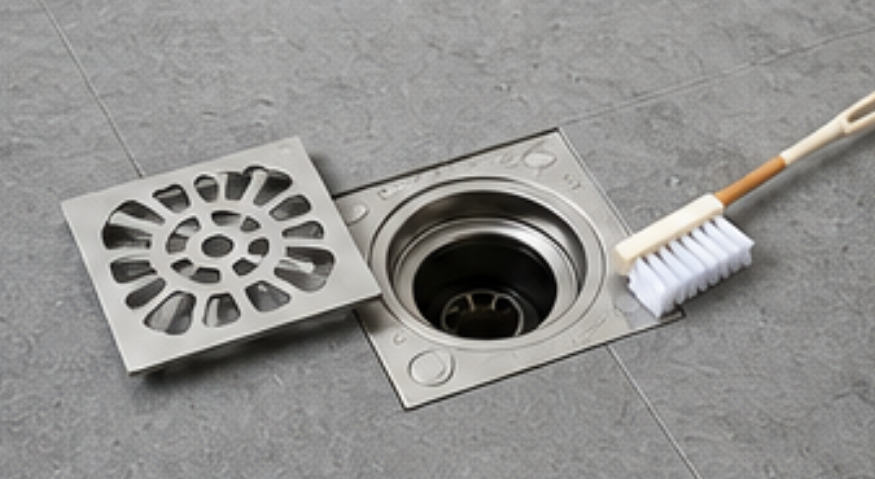
What You Need
Prepare:
Protective gloves
Bucket
Screwdriver or grate-lifting tool
Soft brush
Microfiber cloth
Neutral detergent
Small plastic scoop
Flashlight
Warm water
Manual drain tool when necessary
Avoid using sharp metal tools against decorative stainless steel surfaces.
Remove and Inspect the Grate
Lift or unscrew the grate carefully.
Place the screws and small components in a container so they are not lost.
Inspect the grate for:
Blocked openings
Corrosion
Loose supports
Cracks
Sharp edges
Mineral deposits
Damaged finish
A bent grate should be replaced rather than forced back into position.
Clean the Removable Components
Many modern drains include a strainer, hair basket, anti-odor cup, or sealing core.
Remove each part according to the product design and clean it with warm water, neutral detergent, and a soft brush.
Keep the Parts in Order
Some anti-odor components must be installed in a specific direction.
Take a photograph before disassembly when the structure is unfamiliar.
Incorrect reassembly may reduce flow or prevent the sealing element from closing.
Remove Sediment From the Drain Body
Use a small plastic scoop or disposable cloth to remove mud, lint, and settled debris.
Do not wash a large amount of sediment farther into the pipe. It may collect in the trap or horizontal branch.
Check for Standing Water
A small amount of clean standing water may indicate that the trap seal is present.
Dark, greasy, or heavily contaminated water should be removed carefully and replaced with clean water after the drain has been cleaned.
Brush the Drain Throat
Scrub the accessible internal surfaces with neutral detergent and a soft brush.
Pay attention to:
Corners
Grate supports
Strainer ledges
Water-seal cup
Outlet entrance
Threaded parts
Gasket areas
Rinse the drain with warm water after cleaning.
Restore the Trap Seal
Pour clean water into the drain until the trap is replenished.
This is particularly important in guest basements, vacant buildings, storage rooms, and plant areas where the drain rarely receives water.
Why Odor May Return
If the odor comes back shortly after water is added, inspect for:
Leaking trap
Damaged pipe
Venting problem
Missing anti-odor component
Failed gasket
Organic buildup farther downstream
Persistent sewer odor needs plumbing investigation rather than repeated fragrance or bleach.
Disinfect Only When Necessary
Routine cleaning does not always require a strong disinfectant.
If disinfection is needed, use a product compatible with the drain material and follow its label.
Do not mix cleaning chemicals, and rinse the visible stainless steel surface when the product instructions require it.
Create a Maintenance Schedule
The cleaning frequency depends on the location.
| Location | Suggested Inspection Pattern |
|---|---|
| Dry storage basement | Check every one to three months |
| Laundry room | Check monthly for lint and detergent |
| Mechanical room | Inspect after leaks or equipment service |
| Garage or workshop | Clean after washdown or muddy use |
| Commercial basement | Include in the facility maintenance plan |
| Flood-prone area | Inspect before and after storm season |
These intervals can be adjusted according to actual debris and water use.
Keep Unsuitable Material Out
Do not pour the following into a basement floor drain:
Paint
Solvent
Motor oil
Cement slurry
Mop debris
Grease
Large food particles
Wipes
Sand
Unknown chemicals
These materials can damage the drainage system or create a difficult blockage.
Why Removable Design Matters
A Removable Stainless Steel Floor Drain allows maintenance staff to access the strainer, sealing structure, and drain channel without damaging the surrounding floor.
Useful design features include:
Lift-out grate
Removable strainer
Accessible anti-odor core
Smooth drain body
Secure grate support
Corrosion-resistant finish
Matching lifting tool
Replaceable internal parts
This is particularly valuable in hotels, apartment buildings, public facilities, and commercial maintenance programs.
Our Floor Drain Production Support
Our floor-drain range includes removable Square Drains, Linear Drains, tile-in models, floor waste outlets, Slim Drains, and anti-odor structures.
We support customized sizes, outlet designs, stainless steel finishes, grate patterns, logos, and packaging. Our wider production system also covers bathroom hardware, niches, and heated towel racks for coordinated project purchasing.
Develop a Low-Maintenance Floor Drain Range
Send us the drain size, installation depth, outlet, removable structure, anti-odor requirement, material, finish, cleaning method, packaging, and purchasing quantity. We will prepare a Removable Stainless Steel Floor Drain proposal for your market.