




Where Does A Basement Floor Drain Go?
A basement floor drain does not always lead to the same destination.
Depending on the building, location, and construction period, it may connect to a sanitary sewer, a combined sewer, a stormwater system, a sump pit, a dry well, or another approved drainage point.
The visible grate cannot confirm the final discharge route. The answer depends on the pipework beneath the slab and the local drainage design.
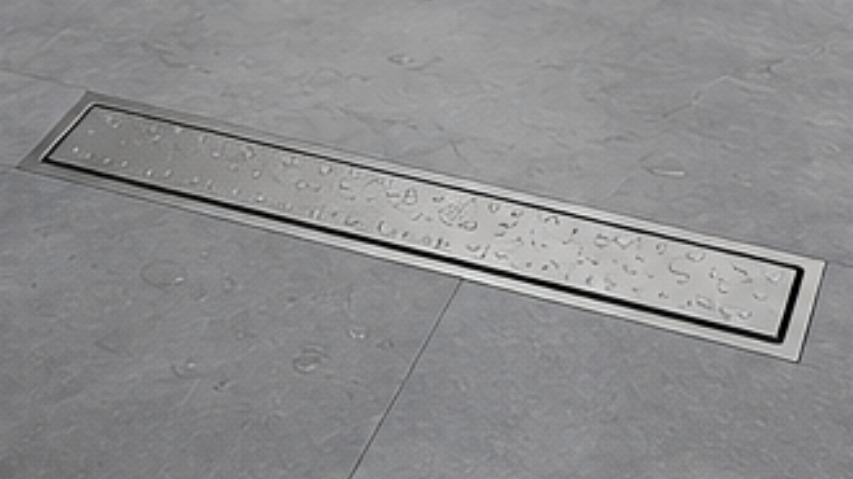
Common Basement Floor Drain Routes
Sanitary Sewer
In many buildings, the floor drain connects to the sanitary drainage system.
Water passes through a trap and enters the same general waste network used by sinks, showers, and other plumbing fixtures.
This arrangement is intended for wastewater that requires treatment.
Combined Sewer
Some older urban areas use combined systems that carry both sanitary wastewater and stormwater.
During heavy rain, these systems may become overloaded. A basement drain connected to the system can become a backup point when pressure rises.
Sump Pit
Some basement floor drains direct groundwater or surface water toward a sump pit.
The sump pump then moves the water to an approved exterior discharge point.
A sump system should not be assumed to accept sanitary wastewater.
Stormwater or Foundation Drainage
A drain may connect to a storm line, perimeter drain, or foundation drainage system.
These arrangements are often intended for clean groundwater or rainwater rather than sewage, detergents, oils, or chemicals.
Dry Well or Local Soakaway
In some properties, a drain may discharge into gravel, soil, or a dry well.
This is more likely in older or isolated buildings and may not meet current local requirements.
Why the Route Matters
Knowing where the drain goes affects what can safely enter it.
A drain connected to a stormwater system should not receive paint, solvents, oil, detergent, or contaminated wastewater.
A drain connected to a sump pit may damage the pump if it receives large solids or aggressive chemicals.
A sanitary drain can still become overloaded or blocked when unsuitable material is poured into it.
How to Identify the Connection
Do not guess by pouring colored chemicals, large volumes of water, or strong cleaners into the drain.
Safer investigation methods include:
Reviewing building plans
Checking plumbing permits
Locating the sump pit
Inspecting visible pipework
Using a drain camera
Conducting a professional dye test
Asking the local building or utility department
Observing which system responds during controlled testing
Check the Basement Layout
The drain location may provide clues.
A drain beside a boiler, water heater, laundry area, or mechanical room may serve equipment discharge and emergency water. A drain near a basement entrance may collect surface water. A drain beside a sump pit may feed the sump system.
These are clues only, not confirmation.
What Happens Beneath the Floor?
A typical trapped floor drain includes:
Grate
Drain body
Trap or water seal
Horizontal branch pipe
Building drain or other receiving system
The branch pipe should have sufficient slope to move water and fine debris toward the destination.
A damaged pipe, settled section, or incorrect slope can allow sediment to remain below the floor.
Why Basement Drains Back Up
A basement floor drain is often one of the lowest openings in the plumbing system.
When a main line becomes blocked, wastewater may rise through that low point before it appears elsewhere.
Possible causes include:
Grease buildup
Tree roots
Pipe collapse
Sediment
Wipes and unsuitable solids
Sewer surcharge
Failed backwater valve
Heavy storm inflow
Covering the grate does not resolve the pressure below the floor.
Does a Backwater Valve Change the Route?
A backwater valve does not normally change where the drain goes.
It is designed to reduce reverse flow from the sewer into the building under certain conditions.
The valve requires correct installation, inspection, and maintenance. A stuck or debris-filled valve may not operate as intended.
Selecting a Drain for a New Basement
A Square Basement Floor Drain should be selected after the pipe route and expected water source are known.
A utility-room drain receiving occasional appliance discharge may need a different capacity from a garage drain exposed to frequent washdown.
Buyers should confirm:
Source of incoming water
Maximum expected flow
Waste-system connection
Outlet size and direction
Required trap arrangement
Floor depth
Grate loading
Cleaning access
Anti-odor requirement
How Our Factory Supports Drain Specification
We manufacture square stainless steel drains, tile-in floor drains, Linear Drains, floor waste outlets, anti-odor drains, and custom drainage products.
Our manufacturing system supports stainless steel fabrication, finishing, assembly, inspection, and OEM or ODM development. Buyers can provide floor drawings, outlet requirements, installation depth, finish references, and project quantities for review.
Request a Square Basement Floor Drain Sample
Planning drainage for basements, laundry rooms, plant rooms, garages, apartment buildings, or commercial facilities?
Send us the installation position, drainage destination, flow requirement, outlet size, floor buildup, material, finish, packaging, and order quantity. We will prepare a Square Basement Floor Drain proposal for evaluation.