



What Size Pipe for Shower Drain?
Choosing the right pipe size for a Shower Drain is a performance decision, not just a materials decision. The drain pipe diameter affects how quickly water clears the shower floor, how resistant the line is to hair and soap buildup, and how easily the trap seal stays stable when the system is vented and used every day. In many regions, the minimum pipe size is defined by plumbing rules, but real projects still fail when installers select a size that technically passes while ignoring flow rate, pipe run length, and the type of shower drain being installed.
ODO manufactures shower drain systems for tiled showers and wet rooms. This guide explains the common pipe sizes used for shower drains in major markets, why those sizes are chosen, and how to specify a configuration that stays reliable over time.
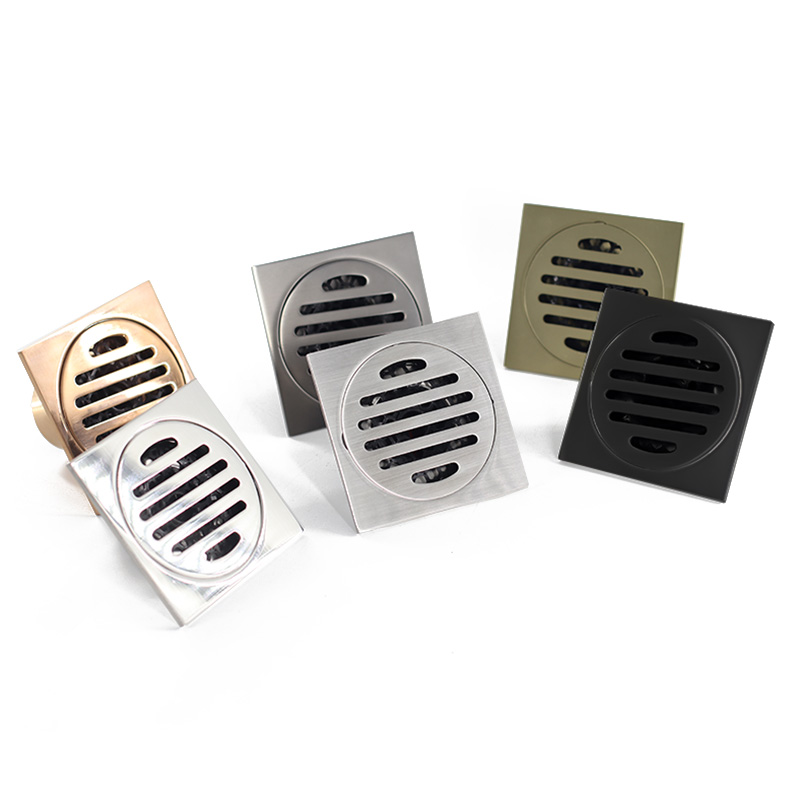
Why Pipe Size Matters For Shower Drains
A shower discharges water continuously while the user is standing on the floor surface. That means the drain must remove water as it arrives, not after the fixture fills. If the pipe is undersized, the shower may still drain at first, but it becomes sensitive to partial blockages, slight slope errors, or minor venting issues. Over time, hair and soap film reduce the effective diameter, and the first sign of trouble is often water pooling near the grate or an intermittent slow drain.
Pipe size also influences maintenance. A larger diameter line is generally more forgiving and provides a better safety margin for long runs, multiple bends, or higher flow shower systems. This is why many professionals prefer to build around a larger minimum whenever the structure allows.
Typical Minimum Shower Drain Pipe Size By Region
The correct answer depends on local plumbing code and whether your project is residential or commercial. However, there are strong patterns across markets.
In the United States, showers are widely required to use a 2 inch waste outlet or fixture tailpiece in code-based systems. A clear example is the Washington State code language stating showers shall have a waste outlet and fixture tailpiece not less than 2 inches 50 mm in diameter.
In the United Kingdom, common practice for shower waste pipes often centers around 40 mm for showers and baths, with 50 mm used for heavier duty or combined waste applications.
In Australia and New Zealand, requirements and guidance are tied to AS NZS 3500, with sizing concepts expressed in DN values and additional rules around floor waste gullies and where they may discharge.
The practical takeaway is that you should start from the minimum required in your jurisdiction, then confirm whether your shower system needs a higher capacity choice because of the shower flow rate, the drain type, or the pipe routing constraints.
Reference Table For Common Shower Drain Pipe Sizes
| Market Or Project Context | Common Shower Drain Pipe Size | When To Step Up |
|---|---|---|
| United States residential showers | 2 inch 50 mm is commonly required for shower waste outlet and tailpiece | High-flow systems, long trap arm, renovation with multiple fittings, commercial or multi-user showers |
| United Kingdom typical shower waste | 40 mm is commonly used for showers and baths | Long runs, multiple direction changes, commercial duty, multiple wastes joining one branch, faster drainage preference |
| EU style wet rooms and tiled showers | 40 mm and 50 mm are both common depending on layout and system design | Barrier-free wet rooms, long horizontal routing, multiple inlets, higher discharge rates |
| Australia New Zealand wet area drainage | DN 50 is a frequent minimum concept for certain outlets, with additional restrictions depending on discharge arrangement | When the discharge condition requires a larger gully outlet or when fixture loading increases |
Use this table as a planning reference, not as a substitute for local code verification. For export or multi-market projects, ODO often recommends confirming the target market requirement early so the shower drain outlet configuration and rough-in depth can be matched correctly.
What Determines The Right Size For Your Specific Shower
Pipe size selection becomes straightforward when you evaluate four factors together instead of treating diameter as an isolated choice.
Shower Flow Rate And User Experience Target
The more water the shower delivers per minute, the more margin you want in the drain line. Even with a compliant minimum pipe, a higher discharge rate makes the system less tolerant of minor obstructions. This matters for rainfall heads, multi-jet panels, or commercial showers with frequent use cycles.
A larger pipe size also supports faster surface clearing in wet rooms, which reduces the time water lingers near grout lines and reduces slip risk.
Drain Type Point Drain Versus Linear Drain
Point drains concentrate flow into one outlet location. Linear drains spread surface collection along a channel, which improves water capture in barrier-free layouts. Both can connect to the same pipe size, but linear drains are more commonly used in wet rooms where long runs and shallow floor build-ups are common. Those layouts tend to benefit from a larger diameter choice when structure permits, especially if the outlet is side discharge and the routing includes multiple bends.
When you specify a durable shower drain, the outlet diameter and geometry should match the pipe system so the installer does not rely on reducers that can become debris traps.
Trap, Trap Arm Length, And Venting Quality
The pipe size is only one part of the system. The P trap and trap arm must be arranged to avoid siphonage and to keep the water seal stable. Venting guidance and code commentary exist largely because trap performance is sensitive to pressure changes during discharge events.
If the venting approach is constrained or if the trap arm will be longer than ideal, it is smart to avoid undersizing the drain line because the combined effect of marginal venting plus reduced diameter increases the chance of slow drainage and gurgling.
Pipe Run Length, Number Of Bends, And Slope Realities
Every elbow and every extra meter of horizontal run adds resistance. In renovations, routing is often forced around joists or structural elements, leading to more fittings than a new build. Even when the nominal pipe size is correct, the effective flow can drop when slope is inconsistent.
If your layout requires a long horizontal route to reach a stack, stepping up the drain pipe size can be a practical way to protect performance, provided the outlet, trap, and adapters are designed correctly.
When A Smaller Pipe Size Shows Up In Existing Bathrooms
In some retrofit situations, you may find an older installation using a smaller pipe size than modern practice. The shower may appear to work, but it will be less forgiving. Before assuming you can keep the existing size, consider whether you are converting a tub to a shower, increasing shower flow rate, or installing a linear drain. Any of those changes usually justify upgrading the waste line where possible.
If you cannot change the pipe size due to structural limitations, the next best move is to reduce flow restrictions elsewhere by minimizing sharp bends, ensuring accurate slope, and selecting a shower drain body with a smooth, cleanable outlet path.
How To Match Pipe Size With Your ODO Shower Drain Selection
When selecting a shower drain, the outlet connection is the bridge between the drain body and the plumbing system. For a reliable result, confirm these details before ordering:
Outlet diameter and connection method match the site pipe system
Outlet orientation suits the routing, vertical outlet or side outlet
Drain body height fits the floor build-up while preserving a stable trap position
The strainer and internal surfaces are designed for easy cleaning
ODO offers multiple shower drain configurations so projects can align outlet and body geometry to local standards and jobsite constraints. For large developments or unique renovation conditions, a custom shower drain configuration can reduce on-site modifications and improve installation consistency across units.
You can review the ODO shower drain range here: Shower Drain
Practical Specification Checklist For Projects
If you need a quick way to turn the above into a decision, use this sequence:
Confirm the minimum pipe size required by your local jurisdiction and inspection practice
Confirm the shower flow rate and whether the project uses a point drain or linear drain
Evaluate routing length, bends, and whether venting is constrained
Choose the pipe size that provides margin for buildup and real-world slope variation
Match the shower drain outlet and body height to the selected pipe system
This approach keeps the project focused on performance and reduces the chance of a compliant but fragile build.
Conclusion
So, what size pipe for shower drain is correct? In many U.S. code-driven projects, 2 inch 50 mm is the common minimum expectation for shower waste outlets. In the UK, 40 mm is commonly used for showers, with 50 mm often chosen when higher capacity or combined waste conditions apply. In Australia and New Zealand, sizing is tied to AS NZS 3500 concepts and discharge conditions that can affect outlet choices. The best specification is the one that meets local requirements and still leaves enough margin for your drain type, routing, and maintenance realities.
If you want help selecting the right ODO shower drain outlet configuration for your pipe size and floor build-up, send us your project market, drain type, outlet direction, and key dimensions. Our team can recommend a suitable model and provide installation guidance so your system performs cleanly and reliably from day one.
Previous: