



How To Replace A European-Style Shower Drain?
Replacing a European-style Shower Drain is not just a surface swap of the grate. In most European installations, the drain body is integrated with the waterproofing layer and connected to either a vertical outlet or a side outlet. A correct replacement protects the floor system, maintains proper drainage slope, and prevents odors or leaks that only appear weeks after the work is finished. This guide walks through the full process in a practical, jobsite-ready way, with clear decision points for different European drain formats.
ODO manufactures shower drain solutions for tiled showers and wet rooms, including multiple European-style configurations. The steps below help you plan the replacement correctly and reduce rework risk.
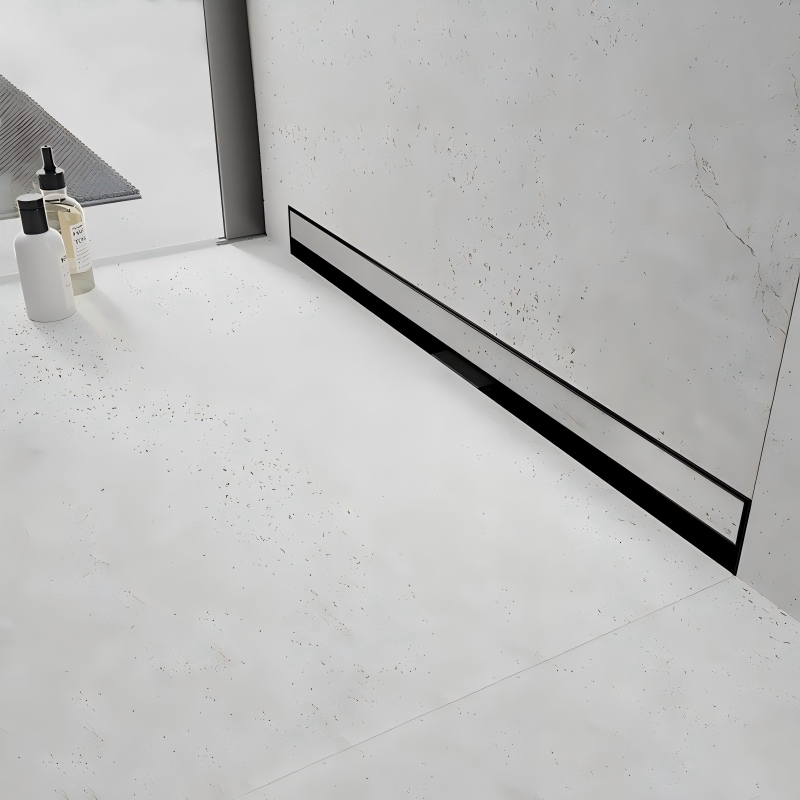
Understand What European-Style Means Before You Start
European-style shower drains are often designed for wet rooms and tiled showers where the drain flange must bond cleanly with the waterproofing system. Compared with many basic point drains, European drains frequently emphasize:
A low-profile body for limited floor depth, a refined flange structure for membrane integration, and removable internal parts to support cleaning. You may also encounter side outlet designs, which route the discharge horizontally rather than straight down. Side outlet models are common when slab depth is limited or when the pipe route must run within the floor build-up.
Before removing anything, confirm whether the current installation is a point drain, a Linear Drain, or a specialty shape, and whether the outlet is vertical or side outlet. This single check determines the replacement body height, outlet direction, and how the waterproofing tie-in must be rebuilt.
Identify Your Drain Type And Outlet Direction
European-style drains are available in several formats that often appear in catalog groupings:
Universal side outlet drains that connect to common horizontal pipe routes
Square side outlet drains used in standard tiled shower layouts
Concealed outlet drains where the visible top is minimal and the outlet geometry is compact
Triangular side outlet drains for corner placements
Linear side outlet drains for wet rooms and barrier-free showers
You do not need to match the visible shape only. You must match the outlet direction and the connection position relative to the pipe. A square grate on top does not guarantee a vertical outlet below. The safest approach is to remove the grate and look into the drain body to confirm how the trap adapter or outlet is oriented, then inspect access from below if available.
If the shower is on a concrete slab with no underside access, assume the outlet direction based on building drawings or use a small inspection camera. Guessing here can force you into breaking the floor later.
Decide Whether You Are Replacing Only The Top Or The Full Drain Body
In many tiled showers, the drain assembly includes a removable top section such as a grate, frame, hair strainer, and sometimes an adjustable collar. If the drain body and flange are still sound and compatible, you may replace only these upper parts.
A full drain body replacement is recommended when any of the conditions below apply:
Visible corrosion, cracks, or deformation in the drain body
Persistent leakage around the flange or beneath tiles
A change is required from vertical to side outlet, or the outlet size must change
The existing waterproofing tie-in is unclear or was done poorly
The drain height adjustment range can no longer match the finished floor level
In European wet-room construction, the flange-to-membrane connection is the most critical risk point. If that interface is failing, replacing only the top will not solve the underlying problem.
Tools And Materials Checklist
Most replacement failures come from missing preparation items, especially waterproofing components. A short checklist helps keep the process controlled.
| Category | Typical Items | Why It Matters |
|---|---|---|
| Removal | Screwdriver, utility knife, oscillating tool, small chisel | Prevents tile edge damage and reduces uncontrolled breakage |
| Measurement | Tape measure, caliper, level | Confirms outlet size, body height, and slope alignment |
| Plumbing | Pipe cutter, couplings, adapters, solvent or seals as required | Ensures the new drain connects without stress or misalignment |
| Waterproofing | Compatible membrane or liquid system, primer, bonding materials | Rebuilds the flange connection to prevent hidden leaks |
| Finishing | Grout, sealant specified by the waterproofing system | Protects edges and supports long-term hygiene |
If your project needs a custom outlet direction, non-standard body height, or a special tile-in cover, planning for a custom European-style shower drain early reduces compromise decisions on site.
Step-By-Step Replacement Process
Shut Off Water Use And Protect The Work Area
A shower drain replacement does not require shutting off the building water supply, but you should stop all shower use and keep the area dry during the work. Cover nearby finishes and set dust control if you will remove tiles. Moisture and debris are the two biggest enemies of a reliable waterproofing bond.
Remove The Grate And Inspect The Internal Assembly
Lift or unscrew the grate. Remove the hair strainer or internal cup if present. Clean the channel and inspect for signs of movement, cracking, or water staining. If the drain has an odor issue, confirm whether water remains in the trap. Odor often indicates a trap seal problem or siphonage, but it can also be caused by microbial buildup inside the drain body.
This inspection stage helps you decide whether a top replacement is enough or whether the flange and body must be replaced.
Confirm Outlet Size, Height, And Connection Type
Measure the outlet diameter and note whether the pipe runs vertically down or horizontally in the floor. Also measure the distance from finished tile surface to the outlet connection line. European drains commonly need accurate height control because the grate must sit flush with tile, not recessed and not proud.
If the new drain body is taller than the available build-up, you may be forced to raise the shower floor, which is rarely acceptable in renovations. In limited-depth floors, a side outlet model may be the practical choice, but only if the pipe route allows it.
Remove Surrounding Tile Only If The Drain Body Must Be Replaced
If you are replacing the full body, you must expose the flange perimeter. Cut grout lines carefully and lift tiles in a controlled ring around the drain. Avoid damaging the waterproofing beyond what you plan to rebuild. Many wet-room failures occur when contractors break the membrane edge and do not fully restore the waterproofing tie-in.
Once the flange is exposed, detach the drain body from the pipe. Depending on the system, this may involve a compression connection, a solvent-weld connection, or a gasketed adapter.
Install The New Drain Body With Correct Alignment
Dry-fit the new drain body first. Confirm:
The outlet connection aligns without forcing the pipe
The drain body sits level while maintaining correct floor slope toward the drain
The grate height adjustment range can meet the tile thickness and adhesive bed thickness
A durable drain body should sit stable without rocking, because movement later can crack grout and open micro-gaps at the waterproofing interface.
Rebuild The Waterproofing Connection To The Flange
This step is the most important and should follow the waterproofing system rules used in your shower. The general principle is consistent: the membrane must be securely bonded to the drain flange area with full contact and correct overlap. If you use a liquid waterproofing system, follow cure times and layer thickness requirements. If you use a sheet membrane system, use the specified primer or bonding method and ensure wrinkle-free adhesion at corners.
Do not rely on surface sealant alone at the tile edge. Sealant is a finishing detail, not the primary waterproofing layer.
Set Tile, Adjust The Grate Height, And Finish Cleanly
Once waterproofing is confirmed and cured as required, re-tile the exposed area. Adjust the drain frame or collar so the grate sits flush with the tile plane. Maintain proper tile slope into the drain, especially for linear drains where the slope should be consistent in one direction.
After grout cures, install the final grate and confirm that removable parts such as strainers can be taken out for cleaning. A practical European-style shower drain should support routine maintenance without tools or demolition.
Common Mistakes That Cause Leaks Or Odors After Replacement
A replacement can look perfect and still fail later if one of these issues exists:
The outlet is misaligned and the pipe is under stress, causing slow cracking or loosening
The flange is not bonded to the waterproofing system with full contact
The drain height is set too low, allowing standing water around the grate
The trap seal is not maintained due to venting issues or incorrect trap configuration
The internal strainer is missing or poorly fitted, increasing clog risk and odor buildup
If odor appears after replacement, do not assume the new drain is defective. First confirm trap seal water presence and verify there is no siphonage from other fixtures. Then check for hidden moisture around the flange and tile perimeter.
Conclusion
Replacing a European-style shower drain is successful when the outlet direction, drain body height, and waterproofing connection are treated as one system. The visible grate is only the final layer. The real performance depends on the drain body alignment, the flange-to-membrane bond, and a stable trapped connection that stays cleanable over time.
If you are unsure which European drain format you have, or you want guidance on selecting a compatible replacement for your floor depth and outlet route, contact ODO with your drain photos, outlet direction, and key dimensions. We can recommend a suitable shower drain option and provide installation guidance to help you finish the project reliably and avoid costly rework.
Previous: What Size Pipe for Shower Drain?