



Do Shower Drains Have P Traps?
Many homeowners, contractors, and project buyers ask a simple but important question: do Shower Drains have P traps? The short answer is yes, every properly installed shower must have a P trap in the drainage system. However, the trap is usually not built into the visible shower drain grate. Instead, it is installed in the pipe below the drain body. Understanding this distinction is critical when designing, selecting, or troubleshooting a shower drain system.
As a professional shower drain manufacturer, ODO focuses on delivering durable shower drain solutions that integrate correctly with plumbing systems. To specify the right drain for your project, it is essential to understand how the P trap functions and how it connects with the drain assembly.
What A P Trap Does In A Shower System
A P trap is a U-shaped section of pipe installed in the waste line. Its purpose is to retain a small amount of water after each use. This water creates a seal that blocks sewer gases from traveling back up through the drain into the bathroom.
Without a functioning P trap, a shower drain would act as a direct opening into the building’s drainage network. Sewer gases can contain unpleasant odors and potentially harmful components. For this reason, plumbing systems are designed so that every fixture, including showers, is protected by a water seal trap.
The trap does not assist with surface water collection. That function belongs to the shower drain body. Instead, the trap protects indoor air quality and ensures that the drainage system remains isolated from occupied spaces.
Is The P Trap Built Into The Shower Drain
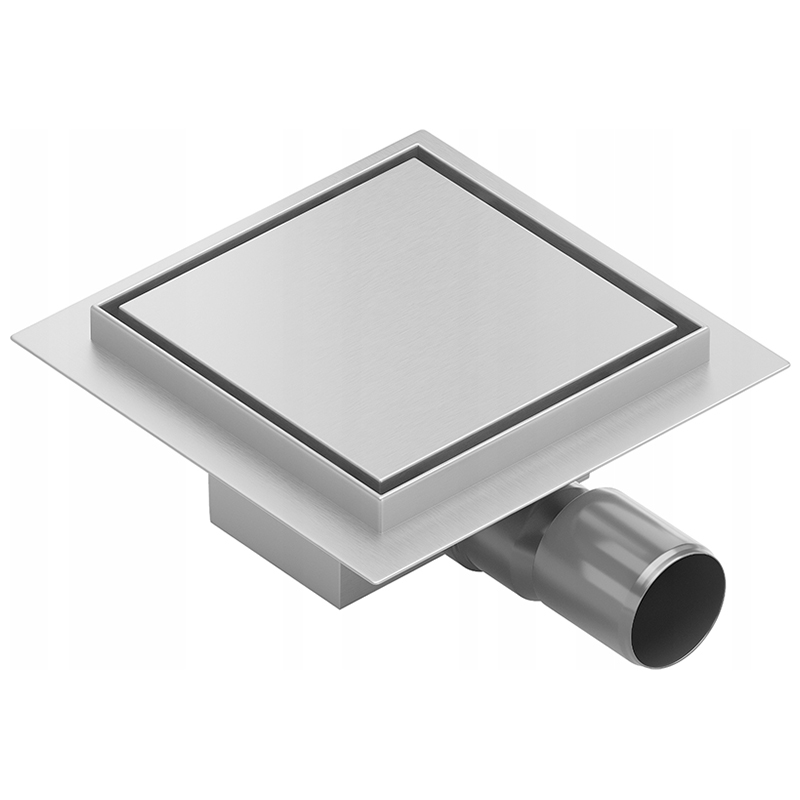
In most standard installations, the shower drain and the P trap are separate components. The shower drain body sits at the shower floor and connects to the waterproofing layer. Beneath it, the drain outlet connects to a horizontal or vertical pipe. The P trap is installed along that pipe run, typically directly below the drain.
There are some compact or specialized drain products on the market that integrate trap-like features. However, in the majority of residential and commercial construction, the P trap is a separate plumbing fitting installed during rough-in.
This is why replacing only the surface drain will not fix a missing or damaged trap. The trap is part of the concealed plumbing system, not the visible grate.
Why Every Shower Requires A P Trap
The requirement for traps is not arbitrary. It is based on fundamental plumbing principles:
Sewer gas prevention
The retained water blocks gases from entering living areas.Pest and insect control
The water seal helps prevent insects from traveling up through pipes.Hygiene and indoor comfort
Bathrooms must remain odor-free under normal conditions.
Without a trap, even a perfectly installed custom shower drain would allow unpleasant smells into the space. For this reason, proper trapped connections are mandatory in compliant plumbing systems worldwide.
How The Shower Drain Connects To The P Trap
Understanding the sequence of components clarifies how the system works:
Shower floor surface
Drain grate or linear channel
Drain body with waterproofing interface
Outlet pipe
P trap
Vent and main drainage line
The shower drain body is responsible for collecting surface water and transferring it to the waste pipe. The P trap, located downstream, ensures that a water barrier remains between the bathroom and the sewer.
If the trap is too far from the drain or installed incorrectly, performance can suffer. That is why correct positioning and slope are essential during installation.
Common Situations That Create Confusion
Some people believe their shower does not have a P trap because they cannot see one. Others assume the drain itself contains the trap. These misunderstandings often arise from the concealed nature of plumbing systems.
In slab-on-grade construction, the trap is typically embedded in concrete below the shower. In wood-frame floors, it may be accessible from below through a ceiling cavity. Either way, it is not visible from above.
Another source of confusion is odor in rarely used showers. If a shower sits unused for a long period, the water in the trap can evaporate. When the seal dries out, sewer gas can pass through. This does not mean the trap is missing. It means the water seal has dissipated.
Signs Of A Trap Problem In A Shower
When a shower drain system is not functioning correctly, the symptoms usually relate to the trap or venting. Common indicators include:
Persistent sewer smell near the drain
Gurgling sounds after nearby fixtures discharge
Slow drainage combined with odor
Smell appearing after extended non-use
In many cases, the issue is not the drain product itself but improper venting or a compromised trap seal.
Drain Type And Trap Integration
Different shower drain styles affect installation planning, though they all require a P trap.
Point Drains
Point drains are the traditional center or corner drains. The floor slopes in multiple directions toward a single outlet. The trap is normally installed directly below the drain body. This setup is straightforward but requires accurate floor grading.
Linear Drains
Linear drains are installed along a wall or at the shower entrance. The floor slopes in one direction toward the channel. While the drain design differs from point drains, the trap requirement remains the same. The trap is still positioned in the pipe below the outlet.
For linear installations, precise alignment and waterproofing integration are essential. A durable shower drain with a well-engineered channel improves long-term reliability.
Installation Depth And Trap Placement
One common project challenge is limited installation depth. In renovations or high-rise construction, floor thickness may restrict how the trap can be positioned.
Key considerations include:
Minimum distance from finished floor to trap inlet
Proper slope between drain outlet and trap
Adequate clearance for maintenance access
If depth is insufficient, installers may attempt to relocate the trap further downstream. This can increase clog risk or reduce performance. Selecting a practical shower drain that aligns with structural constraints reduces these risks.
Maintenance And Long-Term Performance
A shower drain system must remain serviceable throughout its lifespan. Hair, soap residue, and debris accumulate over time. While the trap blocks gas, it can also collect buildup if maintenance is neglected.
Design features that support long-term performance include:
Removable grates
Smooth channel interiors
Accessible debris strainers
Corrosion-resistant materials
When specifying drains for residential or commercial projects, these details affect durability and user satisfaction more than initial appearance alone.
Comparison Of Drain And Trap Roles
| Component | Primary Function | Location |
|---|---|---|
| Shower Drain Body | Collects surface water | At shower floor |
| Drain Outlet Pipe | Transfers wastewater | Below drain body |
| P Trap | Maintains water seal | Downstream in pipe |
| Vent System | Protects trap seal | Connected to drain line |
This distinction highlights why replacing a drain grate does not resolve trap-related odor problems.
Can A Shower Function Without A P Trap
Technically, water will still flow down the pipe without a trap. However, the bathroom will be exposed to sewer gases. Over time, this creates odor issues and potential health concerns.
Therefore, while drainage might appear functional, the installation would not meet acceptable plumbing standards and would likely fail inspection in most regulated markets.
Selecting The Right Shower Drain For Your Project
When evaluating shower drains, the focus should extend beyond style. Consider the following performance factors:
Compatibility with local plumbing layouts
Adequate outlet sizing
Material durability in wet environments
Ease of cleaning and maintenance
Integration with waterproofing systems
ODO designs shower drain solutions that support correct trapped installations. Whether your project requires linear or point drains, standard or custom configurations, the goal is to ensure stable performance, clean finishing, and long service life.
For projects across different markets, customization may be necessary to align with regional pipe dimensions and structural constraints. A custom shower drain approach allows better alignment between drain body, trap placement, and floor build-up.
Conclusion
Do shower drains have P traps? Yes, every properly installed shower must include a P trap in the drainage system. The trap is not typically built into the visible drain but is installed in the pipe below it. Its purpose is to maintain a water seal that blocks sewer gases and preserves indoor comfort.
Understanding the relationship between the drain body and the P trap is essential when specifying, installing, or troubleshooting a shower system. A high-quality drain combined with correct plumbing design ensures reliable, odor-free performance.
If you are selecting shower drains for a residential, hospitality, or commercial project and want professional guidance on integration, depth planning, or customization, contact ODO. Share your installation requirements and project details, and our technical team will recommend suitable solutions and provide practical support to ensure long-term durability and performance.