



How To Unclog A Shower Drain Naturally?
A slow Shower Drain is usually caused by hair, soap scum, and mineral deposits building up near the drain opening and the first bend below it. Many people reach for harsh chemical drain openers, but in most shower clogs, the fastest and most reliable “natural” approach is physical removal first, then gentle cleaning methods that break down residue without damaging finishes, seals, or surrounding surfaces.
This guide explains natural ways to unclog a shower drain step by step, including safe tools, hot water flushing, baking soda and vinegar methods, and long-term prevention. To explore drain designs made for easier maintenance and reliable flow, browse our ODO shower drain collection.
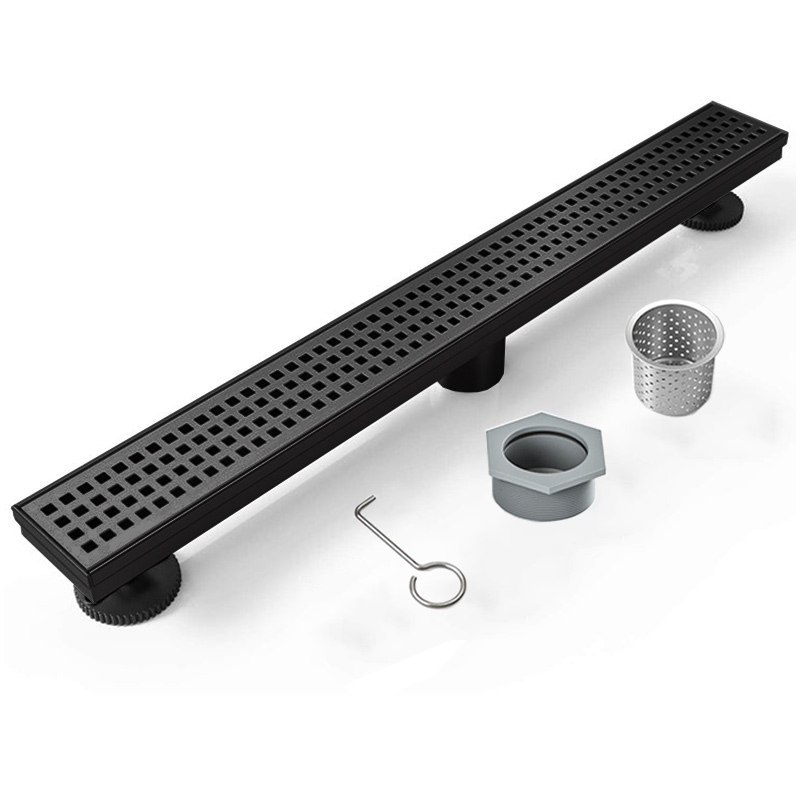
Identify The Type Of Clog Before You Start
Natural methods work best when you understand what you are removing.
Common shower drain clog types:
Hair ropes mixed with soap film near the drain opening
Greasy body oil residue that holds debris together
Hard water minerals that narrow the passage over time
Deeper blockage caused by heavy buildup in the trap area
A quick check:
If the drain slows gradually over weeks, it is often hair plus soap scum.
If it suddenly stops, a dense hair plug may be sitting at the first bend.
If you see white crust or rough buildup, mineral deposits may be contributing.
What You Need For Natural Unclogging
Most methods use simple tools and household items:
Rubber gloves
Flashlight
Tweezers or needle-nose pliers
Plastic hair removal tool or small drain snake
Baking soda
White vinegar
Hot water
Small cup or kettle for controlled pouring
Old toothbrush or soft brush for drain edges
Avoid metal hooks that can scratch drain finishes or damage internal components.
Step 1: Remove The Drain Cover And Pull Hair First
This is the most effective “natural” step, because hair is the main structure of most clogs.
How to do it:
Turn off the water and let the drain area settle.
Lift the drain cover carefully using a cloth-wrapped flat tool if needed.
Remove visible hair by hand with gloves or with tweezers.
If there is a removable strainer cup or basket, empty it into the trash.
Wipe the underside of the cover and the drain rim to remove soap film.
If you skip this step and only use liquids, the hair can compress and move deeper, making the clog harder to remove.
Step 2: Use A Hair Removal Tool For Deeper Buildup
If the drain is still slow after surface cleaning, the blockage is likely just below the drain body.
Method:
Insert a plastic hair removal tool straight down.
Twist gently to catch hair.
Pull up slowly to extract hair ropes.
Repeat until the tool comes out mostly clean.
Flush with hot water afterward.
This method is natural because it removes the clog physically without chemical reaction and is usually the quickest solution for hair-based blockages.
Step 3: Flush With Hot Water The Right Way
Hot water helps soften soap scum and oils. Use controlled hot water rather than dumping boiling water aggressively, especially if your plumbing includes PVC.
Best practice:
Heat water until very hot but not violently boiling.
Pour slowly in stages, allowing water to move through.
Repeat two to three times with short pauses.
If your drain is connected to older seals or mixed-material plumbing, gradual hot water flushing is safer than extreme temperature shocks.
Step 4: Baking Soda And Vinegar Method For Soap Scum
This method is best for residue and odor, not for thick hair plugs. Use it after you remove hair.
Steps:
Pour about half a cup of baking soda into the drain.
Add about one cup of white vinegar slowly.
Cover the drain opening to keep the reaction focused downward.
Wait 15 to 20 minutes.
Flush with hot water.
Why it works:
The bubbling can loosen biofilm and soap scum at the drain walls.
The flush moves loosened residue out of the immediate area.
Do not mix vinegar with bleach or strong cleaners. Keep the process simple and controlled.
Step 5: Salt And Hot Water For Light Buildup
If you do not want vinegar, salt can help scrub and loosen mild residue.
Steps:
Pour a few tablespoons of salt into the drain.
Follow with hot water slowly.
Repeat once if needed.
This method is best for light maintenance rather than severe clogs.
Step 6: Use A Plunger For Stubborn Slow Drains
A plunger can create pressure changes that loosen a partial blockage.
How to do it:
Add enough water to cover the plunger cup.
Seal the overflow if your shower has one.
Plunge in controlled strokes for 20 to 30 seconds.
Remove the plunger and test drainage.
If plunging improves flow temporarily but the clog returns, hair is likely still present deeper in the trap and needs physical extraction.
When Natural Methods Are Not Enough
Natural methods may not solve issues if:
The clog is deep in the line beyond the trap
The drain pipe has significant mineral scaling
The shower shares a line with other fixtures that are also slow
The drain gurgles or backs up repeatedly
In these cases, a longer drain snake or professional service may be required. If you experience repeated clogs, consider upgrading to a drain design with easier access and a removable hair-catching structure.
Prevention: Keep Hair And Soap Scum From Building Up Again
Prevention is easier than unclogging. The best approach combines a small habit and a simple schedule.
Practical prevention steps:
Remove hair from the drain cover weekly, especially in shared bathrooms
Rinse the drain area after each shower to reduce soap residue
Use a hair catcher or strainer insert when compatible
Avoid pouring heavy oils or thick product residue into the shower
Deep clean the drain opening monthly with mild soap and a brush
Suggested Maintenance Schedule
| Bathroom Usage | Hair Removal | Hot Water Flush | Baking Soda And Vinegar |
|---|---|---|---|
| Single user | Every 2 weeks | Monthly | Monthly |
| Family bathroom | Weekly | Every 2 to 3 weeks | Every 2 to 3 weeks |
| Rental or hotel | Weekly | Weekly | Weekly |
| High traffic | 2 to 3 times per week | Weekly | Weekly |
Standardizing a schedule helps reduce emergency clogs and keeps drainage performance stable across multiple rooms.
Conclusion
To unclog a shower drain naturally, start with what works most reliably: remove the drain cover and extract hair physically. Then use hot water flushing and baking soda plus vinegar to loosen soap scum and reduce odor. Natural methods are most effective when you remove hair first and follow a simple prevention routine to stop buildup from forming again.
To explore shower drains designed for efficient flow and easier maintenance, browse our ODO shower drain collection. If you have questions about drain selection, installation, or maintenance routines for residential or project use, contact ODO for guidance. We can help you match the right drain configuration to your usage needs and support consistent specifications for project supply.