



How To Clean A Square Shower Drain And Prevent Hair Clogs?
A square Shower Drain is designed to look clean and modern while moving water quickly. The problem is that hair and soap residue can collect under the grate and around the strainer area, leading to slow drainage, odor, and repeated clogs. The good news is that most Square Drains are easy to maintain if you follow a simple routine: remove the cover safely, extract hair before it compacts, dissolve soap scum without damaging finishes, and add prevention steps that stop buildup before it starts.
This guide walks you through practical cleaning methods that work for most square shower drains and explains how to prevent hair clogs long term. To explore drain styles and configurations, browse our ODO shower drain collection.
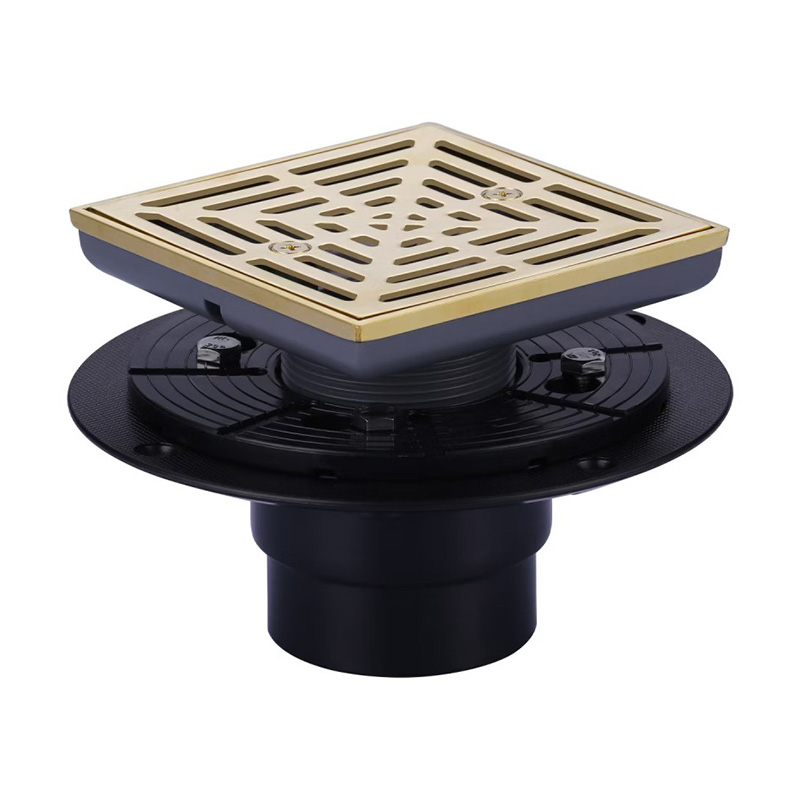
Understand Where Hair Clogs Form In A Square Drain
Hair clogs usually do not start deep in the pipe. They form where water slows down and debris can grab onto edges:
The underside of the square grate where hair catches first
The strainer cup or removable filter basket, if your drain includes one
The top of the drain body near the outlet, where soap scum acts like glue
The first bend below the drain where hair ropes can build over time
If you remove hair early at the grate or strainer level, you prevent the harder-to-remove clog that forms deeper in the line.
Tools You Need For Safe Cleaning
Most cleaning can be done with simple tools:
Rubber gloves
Microfiber cloth or soft brush
A plastic pry tool or flat screwdriver with a cloth wrap
Tweezers or needle-nose pliers for hair removal
A small drain snake or hair removal tool
Warm water, mild dish soap, and a non-abrasive sponge
Avoid steel wool or harsh scouring pads on visible finishes, as they can leave scratches that trap more dirt later.
How To Remove The Square Drain Cover Without Damage
Square drain covers are typically either lift-out, snap-in, or screw-fixed. The safest approach is to assume it is tight and protect the edges.
Steps:
Turn off the shower and let the area dry slightly so your grip is stable.
If there is a visible notch, lift gently from that point.
If the cover is tight, slide a cloth-wrapped flat tool under one edge and lift slowly.
If screws are present, remove them carefully and place them in a small container.
Lift the cover straight up to avoid scraping the frame.
If the cover uses a tile-in insert, lift from the designed opening and avoid twisting so the tile edge does not chip.
The Best Way To Remove Hair And Surface Buildup
Once the cover is off, you will typically see hair and soap scum in the top area.
Do this in order:
Pull out visible hair with tweezers or pliers, then discard it immediately
If there is a strainer cup, remove it and empty it into a trash bag
Wipe the drain rim and underside of the grate using warm water and mild soap
Use a soft brush to loosen residue in corners where square drains collect grime
Rinse with warm water to move loose debris into the drain, then remove any remaining hair by hand
The key is to remove hair before using any cleaning solution. If you apply liquids first, hair can slip deeper and tighten into the trap area.
How To Clear A Slow Drain When Hair Is Deeper Inside
If water still drains slowly after surface cleaning, hair may be below the drain body.
A practical approach:
Insert a small hair removal tool or plastic drain snake straight down.
Rotate gently and pull up slowly to extract hair ropes.
Repeat until the tool comes up mostly clean.
Flush with warm water for 30 to 60 seconds.
Re-test drainage before reinstalling the cover.
If you feel strong resistance or the clog returns quickly, the blockage may be deeper and may require a longer snake or professional service.
How To Clean Odor And Soap Scum Without Harming The Finish
Odor often comes from soap scum mixed with hair and skin oils. You want to remove the film without damaging metal finishes or coatings.
Safe cleaning routine:
Wash the grate and strainer with warm water plus mild soap
For stubborn residue, soak removable parts in warm soapy water for 10 to 15 minutes
Use a soft brush to clean pattern holes and edges
Rinse thoroughly and dry to reduce water spots
What to avoid:
Abrasive powders that scratch visible surfaces
Mixing different chemical cleaners
Frequent use of harsh drain openers that can stress seals and finishes over time
If you choose a drain opener, follow the product label carefully and use it sparingly. Physical removal is usually the most effective method for hair.
Prevention Steps That Actually Reduce Hair Clogs
Prevention works best when it stops hair before it enters the drain body.
Recommended habits:
Brush hair before showering to reduce shedding
Rinse the drain area briefly after each shower to move soap residue away
Remove the cover and clean the strainer weekly in high-use bathrooms
Use a removable hair catcher or a strainer insert if your design supports it
Keep shampoo and body wash residue under control by cleaning the underside of the grate regularly
For family bathrooms or gyms, a short weekly routine prevents the monthly heavy clog that disrupts usage.
Maintenance Schedule For Homes And Project Bathrooms
Different usage levels require different maintenance plans. This is especially important for property managers and project buyers who want predictable upkeep.
| Usage Type | Quick Check | Deep Clean | Recommended Tools |
|---|---|---|---|
| Single-user bathroom | Every 1 to 2 weeks | Monthly | Gloves, brush, tweezers |
| Family bathroom | Weekly | Every 2 to 3 weeks | Hair tool, mild cleaner |
| Guest bath | Monthly | Every 2 months | Basic rinse and wipe |
| Rental or hotel use | Weekly | Weekly to biweekly | Standardized cleaning kit |
| Gym or high traffic | 2 to 3 times per week | Weekly | Hair tool, routine inspection |
Standardizing this schedule across rooms helps reduce emergency calls and keeps drainage performance stable for bulk property operations.
Choosing Drain Features That Make Cleaning Easier
If you are selecting square drains for new builds or renovations, consider features that simplify maintenance:
Removable strainer or filter basket for fast hair capture
Smooth interior surfaces that reduce soap scum adhesion
Grate designs that lift out without special tools
Finishes that resist staining and are easy to wipe clean
Consistent dimensions for easier replacement planning across a project
A solution provider can help match drain style to usage intensity and maintenance expectations, including OEM/ODM requirements for large developments.
Conclusion
To clean a square shower drain effectively, remove the cover carefully, extract hair first, wash the grate and strainer with mild soap, and use a hair tool when slow drainage indicates a deeper buildup. The most reliable prevention is a simple routine: frequent hair removal at the top level, regular rinsing to reduce soap scum, and scheduled inspections for high-traffic bathrooms.
To explore drain designs that support easy cleaning and long-term performance, browse our ODO shower drain collection. If you have questions about drain selection, maintenance routines, or project specifications, contact ODO for guidance. We can help you choose the right configuration and provide practical support for your installation and sourcing needs.