




Can Electric Towel Rails Overheat?
Yes, an electric towel rail can overheat in certain situations, but well-designed products are built to prevent dangerous temperature rise under normal use. The more useful question for homeowners, installers, and project buyers is what overheating actually means, what causes it, how to recognize warning signs early, and how to choose and use an electric towel rail so the risk stays low while towels still dry effectively.
This article explains overheating risk in practical terms and how modern towel rails manage heat in real bathrooms. If you need to choose electric towel rack, you can view more models and options here: electric towel rack
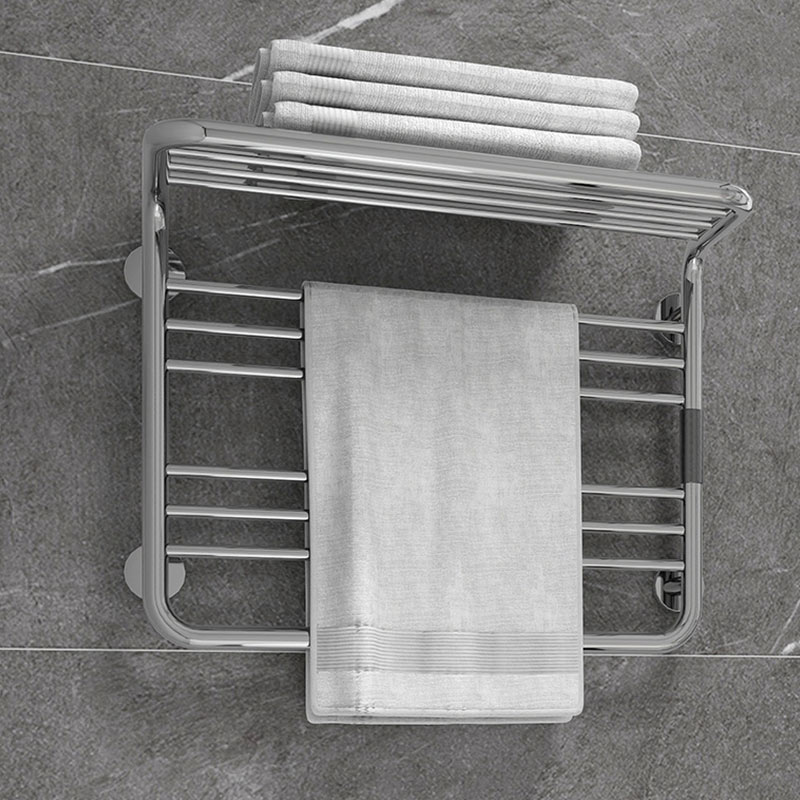
What Overheating Means for an Electric Towel Rail
Overheating is not the same as a towel rail feeling hot to the touch. A towel rail is designed to run warm enough to help evaporation, and that warmth is the whole point. Overheating is when the unit’s temperature rises beyond its intended operating range due to abnormal conditions, component failure, or installation issues, creating a safety risk, damaging internal parts, or causing the rail to shut down repeatedly.
In real bathrooms, people often confuse three different scenarios. The first is normal steady warmth that dries towels gradually. The second is excessive surface heat caused by blocked airflow or incorrect use, where the rail becomes hotter than expected. The third is true overheating driven by electrical faults, incorrect wiring, or failed temperature control components. Understanding the difference matters because the right prevention steps depend on the cause.
Do Electric Towel Rails Have Overheat Protection
Most modern electric towel rails are designed with safety control features so they do not continue heating unchecked. Depending on the design, these protections can include temperature regulation, thermal cut-off behavior, and control logic that limits runtime or manages heat output. This is one reason product quality and engineering matter more than appearance alone.
For buyers, the practical takeaway is simple. A towel rail from a manufacturer that focuses on stable heating performance, consistent production, and bathroom-appropriate construction is less likely to experience unsafe heat behavior in normal use. That is also why choosing a purpose-built bathroom product line like ODO, instead of improvised heating devices, is a meaningful risk reduction step. Explore the range here: electric towel rack
What Can Cause a Towel Rail to Overheat
Overheating risk usually comes from a small set of repeatable conditions. Some are usage-related and easy to fix. Others are installation-related and must be handled by a qualified electrician.
Restricted heat dissipation is a common trigger. A towel rail releases heat into surrounding air. If towels are layered thickly, folded into dense bundles, or piled across the bars so airflow is blocked, the heat can build up. This is especially true when people drape extra fabrics beyond towels, such as thick bathrobes or blankets, which trap heat and slow evaporation.
Incorrect electrical installation is a more serious category. Bathrooms demand correct wiring method, correct circuit protection, and correct compliance with local electrical codes. Overheating can occur if there is improper connection, mismatched voltage, poor grounding, or unsafe cable routing that introduces resistance or heat at connection points. These are not do-it-yourself variables in a wet environment.
Component quality and long-term stability also matter. Heating devices rely on predictable electrical behavior over many cycles. Lower-grade components or inconsistent assembly can increase failure risk over time, especially in humid spaces. A towel rail that holds stable heating output and maintains consistent control performance across cycles is less likely to drift into abnormal heat behavior.
Environmental stress can contribute as well. Very small bathrooms with poor ventilation, consistently high humidity, or constant exposure to direct spray can change how the unit sheds heat. The towel rail may still be safe, but it might run hotter than users expect if the environment traps warm air around it.
How Hot Is Too Hot and What Is Normal
A towel rail is intended to feel warm, and in many installations it will feel noticeably hot during heating periods. Normal warmth should still be stable and predictable. What usually raises concern is when the surface temperature seems to climb continually, towels feel excessively dry or harsh quickly, or the unit becomes uncomfortable to touch even briefly.
Instead of guessing by touch, focus on behavior patterns. Stable, controlled heating typically feels consistent, reaches a steady state, and supports gradual drying. Unstable heating tends to feel like it keeps getting hotter, cycles unpredictably, or behaves differently day to day with the same settings.
If your bathroom includes children, elderly users, or limited supervision, it is smart to prioritize control methods like timers or scheduled operation. This keeps the towel rail useful for drying without running longer than necessary. In daily use, most households do not need continuous heating to achieve dry towels. They need well-timed heating windows aligned with shower routines and drying periods.
Warning Signs That Suggest Abnormal Heating
Most overheating concerns show warning signs before becoming serious. If you notice any of the following, stop using the unit and have it checked by a qualified professional.
The towel rail shuts off unexpectedly and then restarts repeatedly, especially without changing settings
There is a persistent burning smell, unusual odor, or visible discoloration near electrical connections
The control switch, timer, or power area feels unusually warm compared to the bars
The unit becomes drastically hotter than it used to under the same towel load and schedule
You hear buzzing, crackling, or abnormal sounds during heating
The surrounding wall area shows heat stress, warped finishes, or abnormal marks
These symptoms often point to installation issues, control component problems, or connection resistance that needs immediate attention. Bathrooms are not the place to ignore early signs.
How to Prevent Overheating Through Correct Use and Installation
The safest approach combines correct installation, smart usage habits, and appropriate model selection. Most owners can control the usage side easily, while installation should always be handled professionally.
Use towels in a way that supports airflow. Spread towels across the bars instead of folding them into thick layers. If multiple towels overlap, rotate positions or reduce the load so each towel has exposed surface area. This improves drying speed and reduces heat build-up.
Avoid covering the rail with non-towel fabrics. Heavy robes, thick blankets, or synthetic materials can trap heat and raise surface temperature. A towel rail is designed for towels and typical bathroom textiles, not for acting like a general fabric dryer.
Use timer-based operation instead of continuous heating. A schedule aligned to shower times and drying windows delivers the benefits while reducing continuous heat exposure. This also controls energy use and reduces wear from unnecessary runtime.
Keep ventilation realistic. A towel rail does not replace an exhaust fan. If your bathroom traps humidity, improving airflow helps towels dry faster and helps the unit shed heat more effectively. Even small ventilation improvements can reduce perceived heat intensity and improve comfort.
Install correctly for the wet environment. Electrical installation is the most critical safety factor. Correct wiring, correct protection, and correct placement are essential. If you are planning a renovation or new build, pre-planning power routing and control location leads to a cleaner install and easier long-term service.
Choose a product designed for stable daily operation. In bathrooms, stability matters more than peak heat. ODO focuses on electric towel rail solutions intended for regular use in modern wet-area environments, with options that support practical control and clean integration. Review ODO products here: electric towel rack
Why Product Selection Matters for Heat Safety and Long-Term Reliability
When buyers ask whether towel rails can overheat, they are often thinking about worst-case scenarios. The practical way to reduce that worry is to choose a product line that is engineered for predictable heating behavior and reliable daily cycling in humid spaces. A towel rail should heat consistently, hold steady performance over time, and integrate cleanly into bathroom layouts without forcing risky wiring shortcuts.
For projects and long-term residential use, reliability is not only about the heating element. It is about the complete system: construction quality, stable control behavior, finish durability, and suitability for wet environments. A product that looks good but cannot maintain stable daily performance becomes a maintenance burden. A product designed for bathrooms, installed correctly, and used with sensible towel loading and timing delivers comfort while keeping risk low.
Conclusion
Electric towel rails can overheat under abnormal conditions such as blocked airflow, incorrect installation, or component failure. Under normal, correct use and compliant installation, quality towel rails are designed to heat in a controlled way and support safe towel drying. The most effective prevention steps are straightforward: spread towels for airflow, avoid heavy fabric covering, use timers instead of continuous heating, maintain reasonable ventilation, and ensure professional electrical installation.
If you want a towel rail solution designed for modern bathrooms and practical daily drying, explore the ODO range here: electric towel rack