




Are Electric Towel Rails in Bathrooms A Good Idea?
Electric towel rails can be a very good idea in bathrooms when the goal is not only warm towels, but also faster drying, less damp smell, and a more comfortable daily routine in a space where moisture is unavoidable. The key is understanding what an electric towel rail can realistically do, how to choose the right type for your bathroom size and habits, and how to install and use it safely so the benefits outweigh the cost. This article explains the real-world advantages, limitations, and selection criteria, with product-oriented guidance based on ODO solutions.
If you are comparing models and finishes, explore ODO options here: electric towel rack
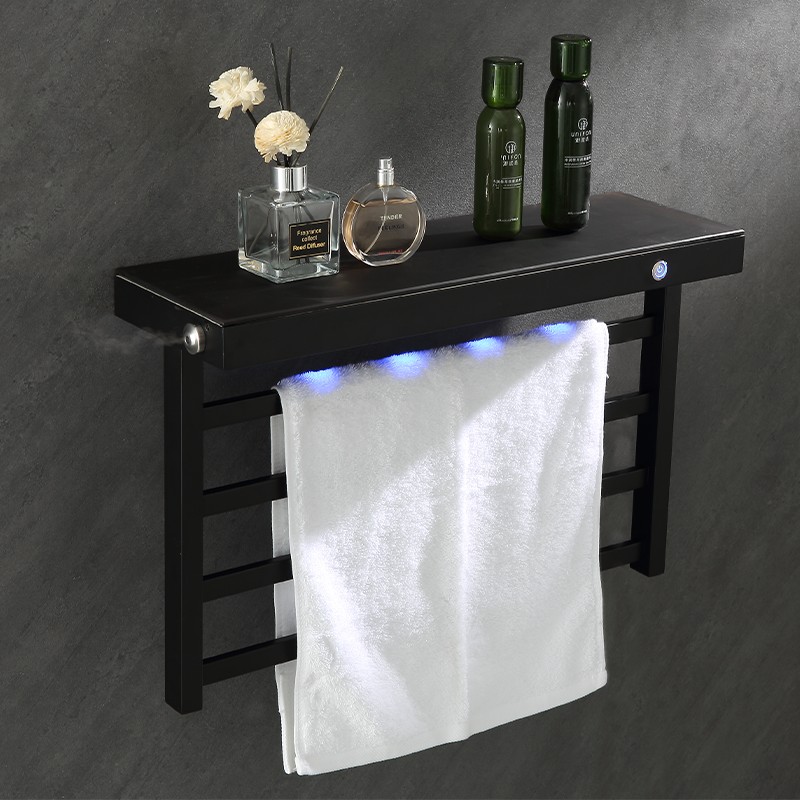
1) What an Electric Towel Rail Actually Does in a Bathroom
A bathroom creates moisture every day from showers, hot water, and limited ventilation. Towels stay damp longer, especially when they are folded, stacked, or hung in corners with low airflow. An electric towel rail helps by delivering steady warmth to the towel surface so water evaporates faster. When a towel dries more quickly, it usually smells fresher, feels softer, and is less likely to develop that persistent damp odor that spreads to the whole room.
It is important to set expectations. A towel rail is not a full room heater in most installations, and it will not replace proper ventilation. What it does well is targeted drying and local comfort. In many bathrooms, that targeted function is exactly what makes it a smart upgrade because the problem is not room temperature, it is the constant cycle of towels staying damp.
2) The Main Benefits That Make It Worth Considering
An electric towel rail can improve daily comfort, but the strongest reasons people keep them long-term are about hygiene, maintenance, and bathroom experience.
Faster drying is the biggest advantage. If towels dry within the same day instead of staying damp overnight, you reduce the conditions that lead to odor buildup and frequent rewashing. That can save time and water over months of use. In households where multiple people share one bathroom, faster towel turnover can be the difference between a bathroom that always feels fresh and one that always feels slightly humid and stale.
A second benefit is warm, ready-to-use towels. In colder seasons or cooler climates, warm towels are more than a luxury. They reduce the discomfort after showering and can make the bathroom feel more premium without remodeling the whole space. This is especially noticeable in bathrooms with stone or tile surfaces that feel cold to the touch.
A third benefit is a cleaner look. Compared with hooks crowded behind a door or towels draped on random bars, a well-positioned towel rail creates a dedicated drying zone that looks intentional. When paired with a finish that matches your fixtures, it becomes part of the design rather than an afterthought.
3) Potential Downsides and How to Avoid Them
Electric towel rails are a good idea only when the installation and usage match the bathroom environment. The most common disappointment comes from choosing a model that is undersized, placing it in a low-use location, or expecting it to solve humidity issues on its own.
Operating cost is often discussed, but it is usually manageable when the product is used intelligently. Many users run a towel rail on a timer so it heats during peak towel use and drying periods rather than 24 hours a day. If your household takes showers in the morning and evening, the best value often comes from scheduled heating windows that support drying without continuous runtime.
Another concern is safety and compliance. Bathrooms require correct wiring method, correct protection level, and correct circuit protection. This is not the area to improvise. If the towel rail is installed by a qualified professional and used as intended, it can be a stable, safe appliance. If installed incorrectly, any bathroom electrical device becomes risky.
Finally, some users expect a towel rail to dry thick towels instantly. In reality, drying speed depends on towel thickness, folding style, ventilation, and how wet the towel is. A towel rail works best when towels are spread out with surface area exposed. If towels are stacked tightly, drying will be slower even with heat.
4) How to Decide if It Makes Sense for Your Bathroom
The decision becomes easier when you evaluate your bathroom using a few practical criteria instead of general opinions.
Start with moisture and towel habits. If towels often remain damp, smell musty, or require frequent washing to stay fresh, you are in the exact scenario where a towel rail brings value. If towels already dry quickly due to strong ventilation and low humidity, the rail becomes more of a comfort upgrade than a functional necessity.
Next consider bathroom temperature and comfort. If stepping out of the shower feels cold for much of the year, a towel rail adds comfort without needing major HVAC changes. In small bathrooms, the perceived comfort improvement can be significant because a warm towel changes how the room feels after bathing.
Then consider space and layout. A towel rail should be reachable from shower or tub exit without crossing the bathroom dripping wet, but it also should not be placed where it gets direct spray continuously. Good placement supports daily use, which is critical because an electric towel rail delivers value when it is actually used consistently.
5) Choosing the Right Electric Towel Rail: What to Look For
To get the benefits without frustration, selection should be based on performance fit, finish durability, and control method rather than only appearance.
Capacity and bar layout matter because drying is about exposed surface area. A rail that allows towels to be spread, not folded, will dry better. If multiple people use the bathroom, a model with enough width and spacing prevents towels from overlapping, which is one of the most common reasons drying feels slow.
Heat control features matter because they shape both cost and convenience. A timer or scheduling function helps you run the rail when towels need drying, then reduce runtime when it is not needed. This is often the best balance between comfort and efficiency.
Finish and material matter because bathrooms are harsh environments. Moisture, cleaning products, and daily contact can degrade low-quality finishes over time. Choosing a towel rail built for wet-area durability helps preserve appearance and reduces maintenance. A well-made product also feels sturdier in daily use, especially in wall-mounted installations where wobble or loose mounting quickly becomes annoying.
If you are selecting a product range with consistent finishes and practical configurations for residential and project use, review ODO options here: electric towel rack
6) Energy Use and Real Operating Cost: What Influences It Most
Electric towel rails use energy, but the total cost depends heavily on how you use them. The most important factors are wattage, runtime, local electricity price, and whether the rail is timed or left on continuously. Instead of guessing, you can estimate cost by multiplying power by runtime.
| Factor | What increases cost | What reduces cost |
|---|---|---|
| Wattage | Higher output models running long hours | Choosing output appropriate to towel load |
| Runtime | Continuous operation | Timer-based schedules and targeted drying windows |
| Towel usage | Many wet towels layered on the rail | Spreading towels for airflow and faster drying |
| Bathroom environment | High humidity and poor ventilation | Improving airflow so drying time shortens |
| Habits | Turning it on and forgetting | Routine schedules aligned with shower times |
In most homes, the best approach is to run the towel rail during active drying periods. For example, two daily heating windows often deliver strong comfort and drying benefits while keeping energy use reasonable. The practical takeaway is that cost is not only about the product, it is about control and habits.
7) Installation and Usage Tips That Make the Difference
A towel rail becomes truly valuable when it is installed correctly and used in a way that supports drying.
Placement should support convenience and airflow. If the rail is too far away, people stop using it and towels end up back on hooks. If it is placed where towels touch a cold wall or overlap, drying slows. A dedicated location with enough space around it helps warm air circulate.
Electrical compliance should be handled by qualified installers. Bathrooms typically require specific wiring protection and safe routing. If you are integrating the towel rail into a new build or renovation, it is smart to plan wiring early so the final result looks clean and is easy to service.
Daily usage should focus on towel positioning. Spread towels rather than folding them thickly. If you want faster drying, avoid stacking multiple towels on top of each other. Consider rotating towel positions if multiple towels share the rail, so each gets direct contact and exposure.
Cleaning should be gentle. In wet areas, harsh cleaners can degrade surface finishes over time. Use mild cleaners and soft cloths, then wipe dry, which also helps maintain a premium appearance.
Conclusion
Electric towel rails are a good idea for bathrooms when you want faster towel drying, less damp odor, and a more comfortable post-shower routine. They are especially valuable in bathrooms with higher humidity, frequent daily showers, multiple users, or limited ventilation, where towels otherwise stay damp and require frequent rewashing. The best results come from selecting a model with appropriate capacity, choosing durable wet-area materials and finishes, and using time-based control so the rail runs when it adds real value.
If you are considering an electric towel rail solution designed for modern bathrooms and long-term daily use, explore the ODO range here: electric towel rack
Previous: Can Electric Towel Rails Overheat?