



What Is The Best Material for Bathroom Accessories?
The best material for Bathroom Accessories is the one that stays stable in humidity, resists corrosion from daily splashes and cleaners, keeps its finish over years of wiping, and remains structurally strong at mounting points. In real bathrooms, towel bars, hooks, shelves, soap holders, and paper holders face constant steam, temperature swings, and contact with wet textiles. The wrong material may look fine at first but can pit, peel, loosen, or discolor after repeated exposure.
For most residential and commercial bathrooms, 304 stainless steel is widely considered a top choice because it offers strong corrosion resistance, reliable strength, and easy maintenance. In designs where you want extra casting flexibility for decorative shapes or mounting parts, 304 stainless steel combined with zinc alloy components can also be a practical approach when engineered correctly.
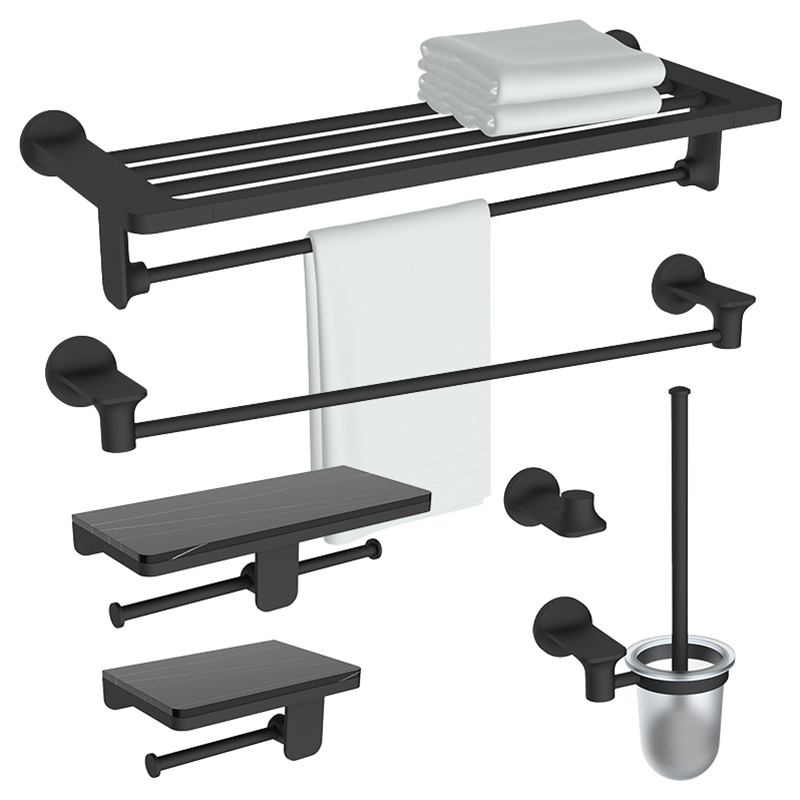
ODO’s products are manufactured using 304 stainless steel or 304 stainless steel with zinc alloy, and you can view the collection here: bathroom accessories.
What Bathroom Accessories Must Handle Every Day
Bathrooms create a harsh environment for hardware because moisture and chemistry work together. Steam and condensation push water into seams. Hard water leaves mineral deposits that can stain surfaces. Soap and shampoos create films that trap dirt. Cleaning habits vary, and some cleaners are stronger than people realize.
Material selection should focus on performance factors that directly affect lifespan:
Corrosion resistance in high humidity and splash zones
Finish stability under frequent wiping and mild cleaners
Structural strength at load points such as towel bars and shelves
Surface maintenance so spots and film can be removed without scratching
Manufacturing consistency so parts fit tightly and stay aligned over time
Why 304 Stainless Steel Is Often the Best Overall Choice
304 stainless steel is a chromium-nickel stainless steel used widely in kitchens, architecture, and sanitary hardware because it balances corrosion resistance, strength, and finish quality. For bathroom accessories, its main advantage is that it does not rely on a surface coating to resist moisture. Even when scratched lightly, the base material remains corrosion resistant when properly processed.
In daily use, 304 stainless steel performs well in common problem areas:
Around showers where steam and warm water create constant condensation
Near sinks where soap residue and splashes are frequent
In coastal or humid climates where metals corrode faster
In high-traffic restrooms where wiping and cleaning happen frequently
It also supports clean modern styling, and it is easier to maintain because most routine cleaning can be done with mild soap and a microfiber cloth.
When 304 Stainless Steel Plus Zinc Alloy Makes Sense
Zinc alloy is commonly used in bathroom hardware for parts that benefit from casting, detailed shaping, or specific mounting geometries. When combined with 304 stainless steel, it can provide design flexibility while keeping the visible and high-exposure surfaces in corrosion-resistant stainless steel.
A well-designed combination approach is useful when:
You want solid-feeling mounts with refined shapes
You need precise brackets, bases, or decorative elements
You want a balance between structural performance and design variety
The key is proper engineering and finishing, especially at joints and contact areas. In practical terms, this combination can support more style options without moving away from stainless steel as the primary moisture-resistant material.
Material Comparison: What Buyers Usually Choose and Why
Different materials compete in the bathroom accessories market. Many options work for light use, but not all hold up equally in humid environments. Comparing materials through durability and maintenance makes the decision clearer.
Bathroom accessory material comparison
| Material | Corrosion Resistance | Finish Durability | Strength at Mounts | Maintenance Effort | Typical Risks |
|---|---|---|---|---|---|
| 304 stainless steel | High | High | High | Low | Water spots if not dried, but easy to clean |
| 304 stainless steel + zinc alloy | High to medium | High | High | Low to medium | Performance depends on joint design and finish quality |
| 201 stainless steel | Medium | Medium | Medium | Low to medium | More vulnerable in high humidity, easier to discolor |
| Aluminum | Medium | Medium | Medium | Low | Can dent, some finishes fade, corrosion in harsh conditions |
| Brass with plating | Medium to high | Medium | High | Medium | Plating wear over time, scratches show base metal |
| Zinc alloy with plating | Medium | Medium | Medium | Medium | Coating can chip, corrosion may appear at exposed edges |
| Plastic | Low to medium | Low | Low | Low | Aging, discoloration, lower load capacity |
If your goal is long service life with fewer finish problems, 304 stainless steel is usually the safest long-term choice.
Finish and Surface Treatment Matter as Much as Material
Two accessories can both claim stainless steel, yet perform differently, because surface finishing affects cleaning behavior and long-term appearance. A stable finish resists fingerprints, reduces visible streaks, and prevents micro-scratches from building up during routine cleaning.
In practice, better finishing improves:
How easily soap film wipes away
How visible water spots appear under lighting
How consistent the product looks across a set, especially in project work
If you are buying for a hotel, apartment project, or showroom, consistent finishing across the collection is critical because mixed surface tones are noticeable when installed together.
How to Choose the Best Material for Your Bathroom Type
The best material choice depends on where and how the accessory is used. A powder room with light use is very different from a family bathroom with daily showers.
A practical selection approach:
For shower-side accessories and towel bars, prioritize 304 stainless steel because the humidity exposure is constant.
For guest bathrooms with lower frequency use, 304 stainless steel still offers better long-term appearance with minimal maintenance.
For commercial restrooms, durability at mounting points matters, so 304 stainless steel or 304 plus zinc alloy designs with strong bases are typically preferred.
If your bathroom has hard water, materials that maintain finish integrity and allow easy descaling are more important than purely decorative finishes that show damage quickly.
Why ODO Material Choice Works for Long-Term Bathroom Use
ODO focuses on bathroom accessories produced in 304 stainless steel or 304 stainless steel with zinc alloy, matching what most professional buyers prefer for moisture-heavy environments. This material strategy supports stable corrosion resistance, solid load-bearing performance, and long-term finish consistency across matching accessory sets.
You can explore available styles and configurations here: bathroom accessories.
Conclusion
For most bathrooms, 304 stainless steel is one of the best materials for bathroom accessories because it offers strong corrosion resistance, reliable strength, and easy long-term maintenance without relying on fragile surface coatings. When design flexibility or mounting structure requires it, 304 stainless steel combined with zinc alloy components can also be a practical solution, especially when engineered for stable joints and consistent finishing.
If you want accessories that stay clean-looking in humidity, handle frequent wiping, and maintain a uniform finish across a bathroom set, choosing 304 stainless steel as the primary material is a proven, low-risk decision.