




Electric Towel Rack Market
The Electric Towel Rack market has experienced steady growth in recent years as bathrooms evolve from purely functional spaces into comfort-oriented living environments. Driven by rising hygiene awareness, energy-efficient heating solutions, and demand from residential and hospitality sectors, electric towel racks are now considered a standard upgrade in modern bathroom design. This article provides a structured overview of the Electric Towel Rack Market, including market drivers, application segments, product trends, and future development directions.
Market Overview and Industry Background
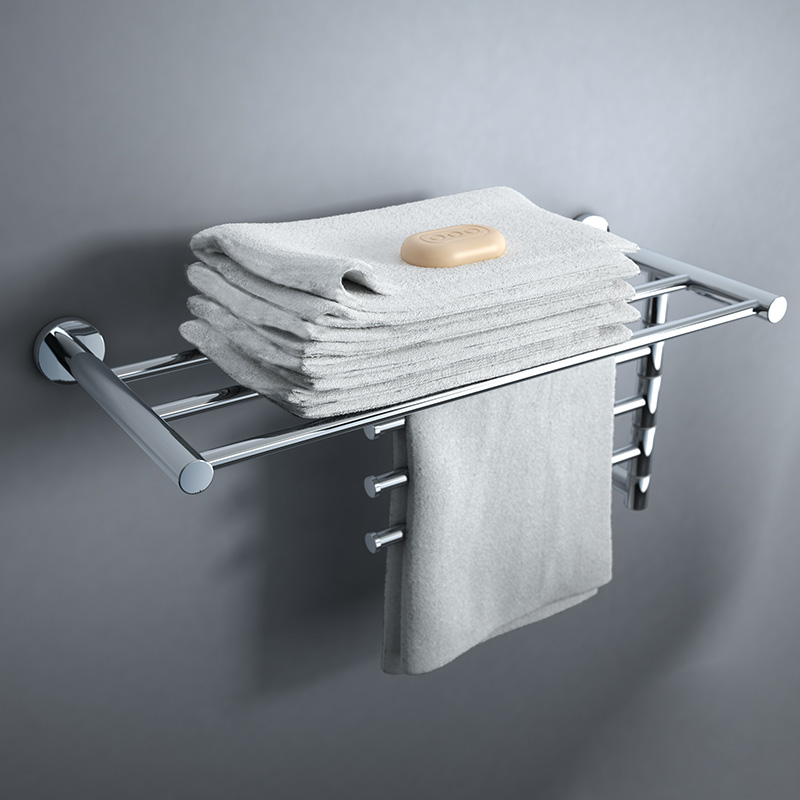
Electric towel racks are electrically heated bathroom fixtures designed to dry and warm towels while reducing moisture and humidity. Unlike traditional radiators, they operate at low wattage and focus on localized comfort rather than full-room heating.
Globally, the electric towel rack market sits at the intersection of the bathroom hardware industry and the low-power electric heating sector. Growth has been supported by:
Increased residential renovation activity
Expansion of hotel and serviced apartment projects
Rising consumer expectations for bathroom comfort
Stricter hygiene standards in shared living spaces
As a result, electric towel racks are no longer niche products but mainstream Bathroom Accessories in many developed and emerging markets.
Key Demand Drivers in the Electric Towel Rack Market
Market demand is shaped by both lifestyle changes and practical considerations. Electric towel racks address multiple needs simultaneously, making them attractive across user groups.
Primary demand drivers include:
Growing awareness of towel hygiene and moisture control
Urban living with limited ventilation in bathrooms
Preference for energy-efficient, low-consumption appliances
Aging populations seeking comfort and convenience
Hospitality industry focus on guest experience upgrades
These factors contribute to stable, long-term demand rather than short-term trend-driven consumption.
Market Segmentation by Application
The electric towel rack market can be segmented based on application scenarios, each with different performance expectations and purchasing priorities.
Main application segments include:
Residential homes and apartments
Hotels and resorts
Serviced apartments and rental properties
Hospitals and healthcare facilities
High-end commercial and office washrooms
Residential demand emphasizes energy efficiency and aesthetics, while hospitality and healthcare projects focus more on durability, safety standards, and long operating cycles.
Power Rating and Product Positioning Trends
Power rating is one of the key technical differentiators in the electric towel rack market. Most products fall within a low-wattage range, aligning with energy-saving regulations and consumer preferences.
Typical market positioning by wattage:
Low wattage models for continuous daily use
Mid-range wattage for faster drying and multiple towels
Higher wattage for commercial or high-turnover environments
Manufacturers increasingly optimize internal heating structures to improve drying efficiency without significantly increasing power consumption, reflecting a shift toward performance optimization rather than raw output.
Design, Material, and Technology Evolution
Product design has become a major competitive factor in the electric towel rack market. Beyond heating performance, buyers evaluate visual integration with modern bathroom interiors.
Current market trends include:
Stainless steel and corrosion-resistant materials
Minimalist and geometric design language
Wall-mounted space-saving structures
Improved surface finishing for easy cleaning
Integration with timers or smart controls
These developments reflect the broader trend of bathroom products becoming lifestyle-oriented rather than purely functional.
Manufacturers such as ODO provide electric towel rack solutions that align with these market trends, focusing on stable heating performance, material durability, and compatibility with modern bathroom environments.
Regional Market Characteristics
The electric towel rack market shows regional differences influenced by climate, building standards, and consumer habits.
Key regional characteristics include:
Strong demand in Europe due to cooler climates and energy efficiency regulations
Growing adoption in North America driven by home renovation trends
Expanding market in Asia with rising middle-class housing standards
Project-based demand in the Middle East hospitality sector
Understanding regional expectations is critical for product specification and market entry strategies.
Future Outlook and Market Development Direction
Looking ahead, the electric towel rack market is expected to grow steadily rather than explosively. The focus will shift toward refinement, compliance, and integration with broader bathroom systems.
Future development directions include:
Enhanced energy efficiency and thermal control
Broader adoption of smart and timer-based functions
Increased OEM customization for project-based buyers
Stricter safety and certification requirements
Greater emphasis on sustainability and material sourcing
Manufacturers that combine technical stability with design flexibility will be best positioned to serve long-term market demand.
Conclusion
The electric towel rack market is shaped by consistent demand for hygiene, comfort, and energy-efficient bathroom solutions. Supported by residential upgrades and hospitality projects, the market continues to expand with a focus on low-wattage performance, durable materials, and refined design. As consumer expectations evolve, electric towel racks are becoming an essential component of modern bathroom infrastructure. Understanding market drivers, application needs, and future trends allows buyers and project planners to make informed decisions that support long-term value and performance.