




ODO's Professional Guide to Choosing Bathroom Hardware: How to Avoid Common Buying Mistakes
Bathroom hardware forms the functional foundation of a well-designed bathroom. Heated towel rails, storage racks, hooks, and other accessories may seem like minor details, but they have a direct impact on everyday convenience, bathroom organization, and product service life. Low-quality hardware can rust, oxidize, deform, or loosen over time, compromising both appearance and usability while increasing replacement costs.
Drawing on its industry experience and product standards, Foshan Pinshi Sanitary Ware Co., Ltd., operating under the international brand ODO, has prepared a practical guide to choosing bathroom hardware. By evaluating materials, structural design, surface finishing, appearance, and compatibility, buyers can make more informed decisions and select durable, attractive, and cost-effective products.
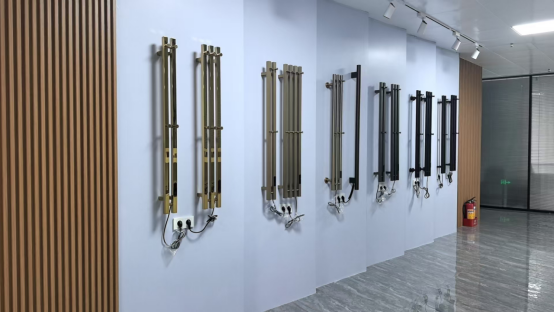
1. Choose Materials Suitable for Humid Bathroom Environments
Material selection is one of the most important factors affecting the durability of bathroom hardware. The main materials available on the market include copper, stainless steel, aluminum, other metal alloys, and plastic. Their performance varies considerably under humid conditions.
At ODO, material recommendations focus on suitability for the intended application rather than simply choosing the most expensive option.
Aluminum hardware can oxidize in bathrooms exposed to persistent moisture and water vapor, causing the surface to become dull or discolored. Some standard metal alloys offer limited resistance to moisture and corrosion, which can lead to rust spots during use. Plastic components may have lower hardness and heat resistance, making them more susceptible to deformation, aging, and breakage under prolonged exposure to moisture and heat.
Considering moisture resistance, corrosion resistance, wear resistance, and structural stability, copper is a preferred material for high-quality bathroom hardware. Its dense structure and inherent corrosion resistance make it suitable for humid environments. With appropriate manufacturing and surface treatment, copper hardware can provide long-lasting performance.
Bathroom hardware materials and finishes also vary in cost and performance. Options include titanium alloys, chrome-plated copper, chrome-plated stainless steel, chrome-plated aluminum alloys, chrome-plated iron, and plastic products. Buyers should compare material specifications, finish quality, and budget requirements, paying particular attention to copper-based products with suitable finishes and other high-quality material options.
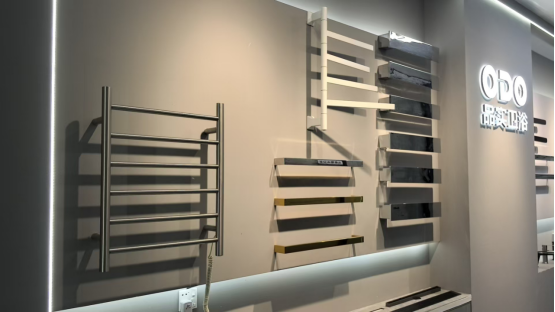
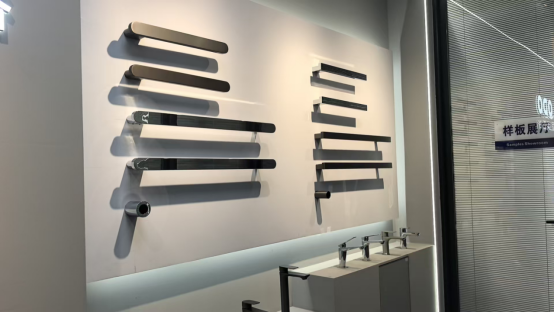
2. Do Not Assume Solid Tubing Is Always Better
A common misconception when buying Bathroom Accessories is that solid metal tubing is always more durable or worth the additional cost.
For products such as towel racks and bathroom shelves, the primary purpose is to hold towels and other lightweight bathroom essentials. In many residential applications, hollow-tube structures can provide sufficient load-bearing capacity without unnecessary material costs.
Hollow-tube accessories are generally lighter and more economical while meeting everyday functional requirements. Solid-tube products tend to cost more, and their additional weight and load-bearing capacity may provide little practical benefit for ordinary household use.
Choosing the appropriate tube structure is therefore an important way to balance performance, cost, and practical value.

3. Evaluate Surface Finishing and Coating Quality
If the base material provides the foundation, the surface finish acts as a protective layer. Coating quality influences service life, surface appearance, scratch resistance, and wear resistance.
Surface treatment is also a significant part of bathroom hardware manufacturing costs. However, coating quality can be difficult for ordinary buyers to judge by appearance alone. Careful comparison of specifications and finishing details can help identify meaningful differences between products.
Taking ODO's bathroom accessories as an example, the original product information specifies a coating thickness of at least 0.6 microns for qualifying premium bathroom hardware. It also states that the coating on certain premium 304 stainless steel products can reach 28 microns, compared with a cited conventional coating benchmark of 20 microns.
These figures refer to the product specifications described by ODO and should be verified against the coating system and technical documentation of the specific product being purchased.
A high-quality finish should be even, firmly bonded, smooth, and free from visible defects. Consistent surface treatment, sound construction, and careful detailing all contribute to a refined appearance and better resistance to everyday wear.

4. Match Hardware Quality with Bathroom Design
Quality is not the only consideration when selecting bathroom hardware. Compatibility with the overall bathroom design is equally important.
The shape, finish, and visual character of accessories should complement the bathroom's overall style. Poorly matched products can make the space look inconsistent, even when each individual item is well made.
When selecting accessories, consider the bathtub, toilet, and washbasin as a coordinated group. The shape and surface finish of faucets should also complement towel racks, shelves, hooks, and other hardware.
Whether the project features understated luxury, modern minimalism, or a more classic aesthetic, carefully coordinated hardware can improve visual consistency and create a cleaner, more comfortable bathroom environment.
5. A Practical Checklist for Better Purchasing Decisions
Choosing bathroom hardware does not mean automatically selecting the most expensive products. Buyers should focus on five practical considerations:
Material selection: Compare 304 stainless steel, copper, and other materials according to the installation environment and intended use.
Structural design: Choose hollow or solid tubing based on actual load requirements rather than assumptions.
Surface finishing: Review coating specifications, uniformity, adhesion, and resistance to everyday wear.
Design compatibility: Coordinate hardware finishes and shapes with the rest of the bathroom.
Product credentials: Check relevant certifications, technical documentation, and supplier quality controls.
At ODO, manufacturing quality and practical functionality remain central to product development. By combining appropriate materials, carefully controlled finishing processes, and coordinated designs, we aim to provide bathroom hardware that balances durability, appearance, and value for everyday use.