




Do Floor Drains Have P Traps?
Most floor drains are connected to a trapped waste line. The trap may be a conventional P-trap below the floor, an integral trap built into the drain assembly, or another approved water-seal structure used by the local plumbing system.
Its job is simple but important: a small amount of water remains in the curved section of pipe and forms a barrier between the room and the drainage network. Without that barrier, odors and gases from the waste pipe may enter the basement, laundry room, plant room, garage, or bathroom.
However, not every visible floor-drain grate tells you what is installed underneath. The trap is often hidden below concrete, tile, mortar, or another finished floor.
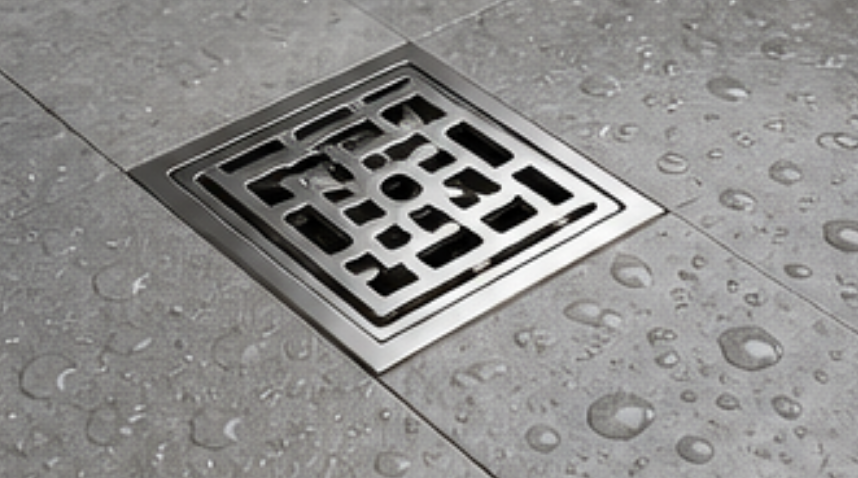
How a Floor Drain Trap Works
When water enters the drain, it passes through the grate and flows into the waste pipe. Part of that water remains inside the trap after the main flow has stopped.
The retained water is known as the trap seal.
Why the Trap Seal Matters
A healthy trap seal helps block:
Sewer odors
Drainage-pipe gases
Insects moving through the pipe
Air movement from the waste system
Contaminated moisture near the pipe opening
The trap does not clean the pipe or stop every blockage. It only provides a liquid seal between the occupied space and the drainage system.
Why a Trapped Floor Drain Can Still Smell
A floor drain may have a P-trap and still produce an odor.
The most common reason is evaporation. Basement and utility-room drains may receive very little water, so the trap seal can gradually disappear.
Other possible causes include:
A cracked trap
A leaking pipe connection
Heavy organic residue
A blocked or poorly functioning vent
Negative pressure pulling water from the trap
A damaged anti-odor insert
Incorrect drain installation
If the odor disappears after clean water is poured into the drain, a dry trap is a likely cause. If it returns quickly, the system may need further inspection.
Do All Basement Floor Drains Have the Same Trap Design?
No. The drainage structure varies with building age, local plumbing practice, drain model, and renovation history.
Separate P-Trap Below the Floor
This is a common arrangement. The visible floor drain connects vertically to a curved trap concealed below the slab.
Integral Trap Floor Drain
Some drain bodies include a compact internal water-seal section or removable anti-odor core.
This can simplify cleaning and replacement, but the product must still match the outlet and installation depth.
Trap With Primer Connection
A trap primer introduces a small amount of water into a rarely used drain to maintain the seal.
This is useful in mechanical rooms, commercial basements, and other places where the floor drain may remain dry for long periods.
Old or Modified Drain Without a Reliable Seal
Older properties may contain unusual drainage layouts or previous modifications.
A grate may have been replaced without addressing the pipe below. The visible cover should not be used as proof that the hidden plumbing is correct.
How to Check Whether a Floor Drain Has a Trap
The most reliable methods are building plans, a plumbing inspection, or a drain camera.
A basic homeowner check can provide clues:
Remove the grate.
Shine a flashlight into the drain.
Look for standing water below the opening.
Add a small amount of clean water.
Observe whether the water level remains.
Check whether the odor decreases.
Standing water suggests a trap or water-seal structure, but it does not confirm the exact pipe shape.
Do not insert rigid tools into an unfamiliar drain simply to locate the trap.
How Much Water Should Remain in the Trap?
The exact trap-seal depth depends on the drainage design and local code.
From a maintenance perspective, the important point is that enough water should remain to create a continuous seal. A drain that becomes completely dry loses its odor-blocking function.
For rarely used drains, periodic water addition may be necessary. Some facilities also use approved trap-seal liquids designed to evaporate more slowly than plain water.
What Is an Anti-Odor Floor Drain?
An anti odor floor drain adds another layer of odor control near the drain opening.
Depending on the design, it may use:
A removable water-seal cup
Gravity-operated flap
Spring-loaded valve
Silicone sealing core
Deep water-seal channel
Combined strainer and anti-odor insert
These structures can improve everyday odor control, but they do not replace correct pipework, venting, waterproofing, or trap installation.
Important Specifications for Project Buyers
When sourcing floor drains for basements, utility rooms, bathrooms, or commercial wet areas, confirm:
| Specification | Why It Matters |
|---|---|
| Outlet diameter | Must match the waste pipe |
| Installation depth | Must suit the floor buildup |
| Flow capacity | Must handle the expected water volume |
| Trap or anti-odor structure | Influences odor control and maintenance |
| Grate opening | Affects debris entry and drainage |
| Material | Influences durability and corrosion resistance |
| Cleaning access | Determines how easily residue can be removed |
| Waterproofing interface | Affects installation reliability |
A decorative grate should not be selected before the plumbing and floor structure are confirmed.
How Our Factory Supports Floor Drain Projects
We manufacture square, linear, slim, tile-in, invisible, anti-odor, and custom floor drains for residential and commercial applications.
Our production system supports stainless steel processing, surface finishing, drain assembly, inspection, customized dimensions, logo application, and project packaging. Buyers can also discuss outlet position, grate pattern, installation height, and removable anti-odor components.
Request an Anti Odor Floor Drain Proposal
Preparing floor-drain products for basements, utility rooms, apartment projects, hotels, gyms, hospitals, or commercial buildings?
Send us the drain dimensions, outlet size, installation depth, flow requirement, sealing structure, material, finish, packaging, and order quantity. We will prepare an Anti Odor Floor Drain proposal for your project.