


Floor Sink vs Floor Drain: Which Solution Reduces Slip-and-Fall Risks in Wet Areas?
Wet floors are not only a cleaning problem in commercial buildings. For hotels, restaurants, shopping malls, public bathrooms, commercial kitchens, and apartment projects, standing water can turn into a safety risk that affects guests, employees, tenants, and property managers.
When buyers compare floor sink vs floor drain options, the real question is not which product looks more familiar. The better question is which drainage solution can remove water fast enough for the actual wet area, reduce puddles, and lower the risk of slip-and-fall accidents after daily use.
Standing Water Creates A Safety Issue Before It Becomes A Maintenance Issue
Small Puddles Can Lead To Serious Claims
A wet floor may only look like a minor cleaning task, but one slip accident can create medical claims, legal disputes, insurance pressure, and damage to the property’s reputation.
For hotels and commercial buildings, the risk is even higher because guests and visitors may not expect water on the floor. Once an accident happens, the property team may need to prove that reasonable drainage and maintenance measures were already in place.
High-Traffic Wet Areas Need Faster Drainage
Public washrooms, spa areas, locker rooms, restaurant cleaning zones, and back-of-house corridors often receive repeated water exposure throughout the day.
If the drain cannot remove water quickly, staff may need to mop the same area many times. This increases labor pressure while still leaving the property exposed to accident risk during busy hours.
Floor Sink And Floor Drain Serve Different Wet Area Needs
Floor Sink Handles Indirect Discharge
A floor sink is commonly used where equipment or fixtures discharge water indirectly. It may appear in commercial kitchens, food preparation areas, utility rooms, and back-of-house locations.
This type of drainage can support certain equipment layouts, but it may not always be the best choice for open floor areas where surface water needs to disappear quickly and evenly.
Floor Drain Handles Surface Water More Directly
A floor drain is usually positioned to collect water from the floor surface. In wet rooms, bathrooms, shower areas, and public wash spaces, this function is critical.
When comparing floor sink vs floor drain solutions, project buyers should first ask whether the main problem is equipment discharge or surface water accumulation. Choosing the wrong drainage type can leave water on the floor even when the drainage system itself is not blocked.
Drainage Speed Depends On More Than The Visible Cover
Outlet Design Affects Water Removal
A drain cover may look clean and modern, but drainage performance depends on the opening layout, outlet size, internal channel, and connection to the pipe system.
For wet areas where water spreads quickly, a drain with insufficient flow capacity may cause slow discharge. The result is not only inconvenience. It creates a slip hazard during peak use.
Floor Slope Must Work With The Drain
Even a good drain cannot solve the problem if the floor slope directs water away from the drainage point. Developers and contractors should consider slope planning, drain location, tile layout, and cleaning access together.
This is especially important in commercial bathrooms and hotel shower areas where water must flow naturally toward the drain without leaving puddles near walking paths.
Odor Control Also Affects Safety Management
Poor Drainage Often Comes With Odor Complaints
Slow drainage can leave residue, dirty water, and organic matter around the drain area. Over time, this may create odor problems and more frequent cleaning requirements.
For property managers, odor complaints and wet floor complaints often appear together because both are linked to poor drainage performance and difficult maintenance.
Anti-Odor Structure Supports Cleaner Wet Areas
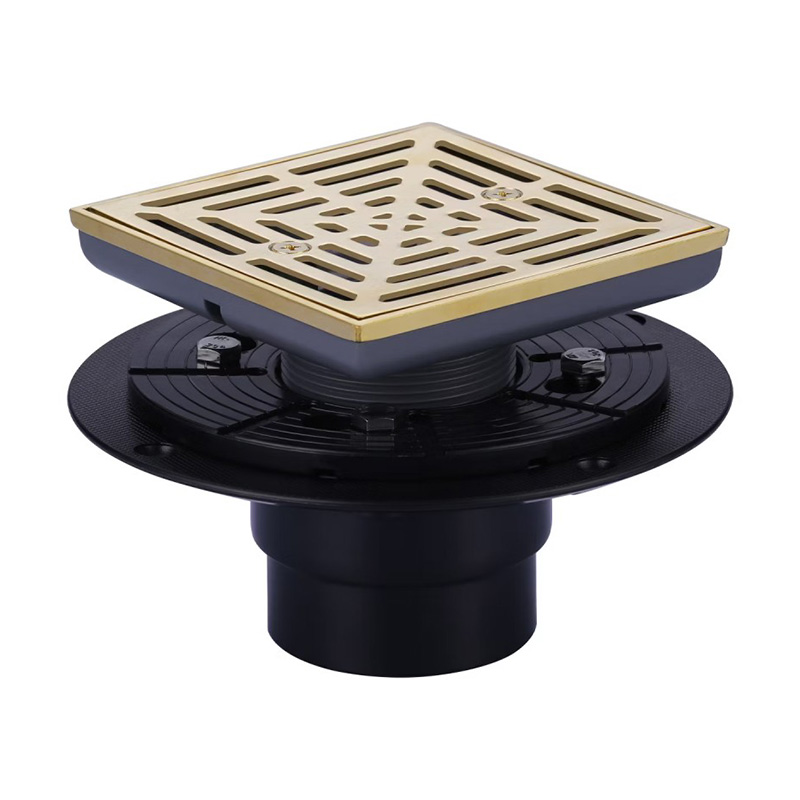
An anti-odor floor drain helps reduce unwanted smells from the drainage system while supporting more hygienic daily use.
For commercial bathrooms, hotel rooms, apartment wet areas, and public facilities, buyers can review our anti-odor floor drain when they need a drainage solution that supports surface water removal and a cleaner user experience.
Slip Risk Increases When Cleaning Teams Cannot Keep Up
Repeated Mopping Is Not A Long-Term Solution
Some properties rely heavily on cleaning staff to manage wet floors. However, in busy buildings, water may return quickly after mopping.
If the drainage system does not remove water efficiently, the cleaning team becomes responsible for solving a design or product selection problem. This is not efficient for long-term operation.
Staff Safety Matters As Much As Guest Safety
Slip-and-fall risk is not limited to guests. Employees working in kitchens, laundry rooms, spa areas, or maintenance corridors may face repeated wet floor exposure.
For businesses with large service teams, better drainage can help reduce workplace accident risk and support safer daily operation.
Project Buyers Should Review The Risk Before Ordering
Match The Drain To The Water Source
Before deciding between floor sink vs floor drain options, buyers should identify where the water comes from. Is it from shower use, floor washing, equipment discharge, overflow, cleaning routines, or heavy foot traffic?
Different water sources need different drainage planning. A product selected only by appearance or price may not solve the actual wet floor risk.
Check Maintenance Access Before Installation
Drains in commercial projects must remain accessible for cleaning. If the cover is difficult to remove, residue can build up and reduce drainage speed over time.
Buyers should review removable parts, filter design, anti-odor structure, and cleaning convenience before confirming bulk procurement.
Reducing Liability Starts With Better Drainage Planning
Safety Should Be Considered Before The Floor Is Finished
Once tiles are installed, correcting drainage problems becomes expensive. Reworking floor slope, replacing drains, or repairing water-damaged areas can disrupt business operations.
This is why developers, contractors, and facility managers should review drainage type, flow demand, installation position, and maintenance access before the wet area is completed.
A Small Drainage Decision Can Protect A Large Project
When water leaves the floor quickly, the property becomes easier to manage. Cleaning staff spend less time controlling puddles, guests experience safer walking areas, and owners reduce the risk of avoidable accident claims.
For project buyers planning bathrooms, kitchens, public washrooms, locker rooms, or hotel wet areas, our team can help discuss drainage type, anti-odor requirements, finish matching, and bulk order planning. For projects where drainage performance directly affects safety, maintenance, and liability management, our website at https://www.odosanitary.com/ provides additional product information and project support resources.