




What Is Better Plug in Or Hardwired Towel Warmer?
For hotels, apartments, spas, gyms, and modern bathroom projects, a towel warmer is no longer just a comfort item. It helps keep towels drier, improves the bathroom experience, and gives wet areas a cleaner, more finished look. When buyers choose an electric towel warmer rack, one common question is whether plug in or hardwired installation is better.
The answer depends on the project type. Plug in towel warmers are easier to install and replace, while hardwired towel warmers look cleaner and are often preferred for new construction or hotel projects. Our electric towel heater is suitable for both hardwired and plug in installation, making it practical for different market needs, renovation plans, and OEM/ODM bathroom hardware projects.
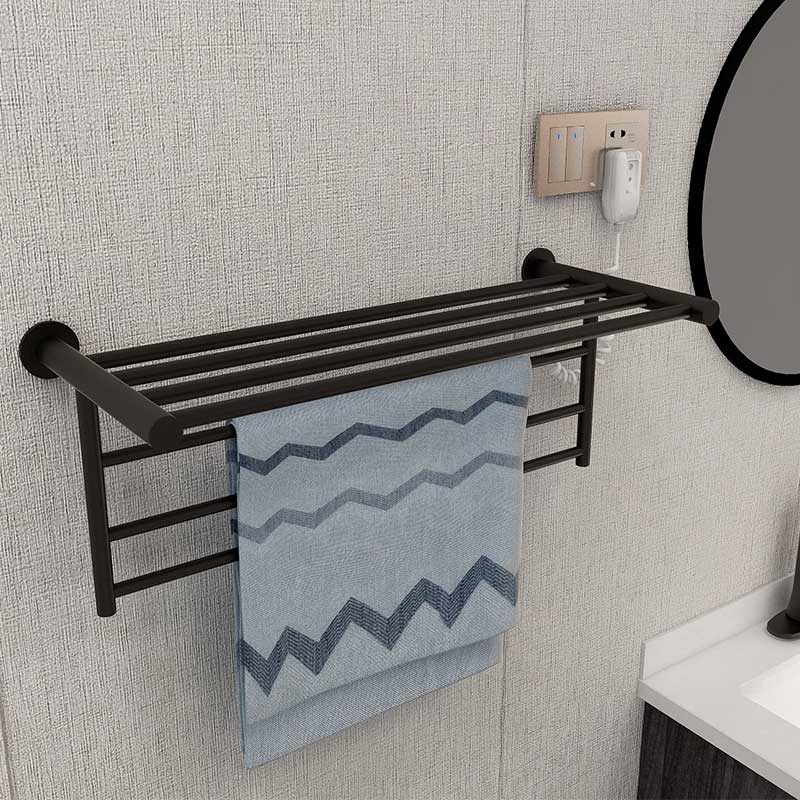
Plug In Towel Warmers Are Easier For Renovation
A plug in towel warmer connects to a standard power outlet, so it is often easier to install in finished bathrooms. For apartment upgrades, rental housing, retail sales, and small renovation projects, this can reduce installation work and make the product easier for end users to accept.
This option is also useful for distributors who serve different customer groups. Some buyers want a bathroom upgrade without changing the wall wiring. Some contractors need a fast installation solution for light renovation work. In these cases, a plug in design can help reduce labor time and make after-sales replacement simpler.
The main thing to check is outlet position. If the power socket is far from the towel warmer, the visible cable may affect the bathroom appearance. For wet areas, buyers should also remind installers to follow local electrical safety requirements.
Hardwired Towel Warmers Look Cleaner
A hardwired towel warmer connects directly to the electrical wiring inside the wall. This creates a neater appearance because there is no exposed plug or loose cable. For hotels, serviced apartments, villas, spas, and high-end bathroom projects, this cleaner look is often preferred.
Hardwired installation is especially suitable for new construction or full bathroom renovation, because the wiring can be planned before tiles and walls are finished. It gives the bathroom a more integrated style and reduces cable exposure in daily use.
For project buyers, hardwired towel warmers can also make room design more consistent across multiple units. When every bathroom follows the same layout, installation becomes easier to manage and the final appearance looks more professional.
Safety Should Be Considered From The Start
Bathrooms are wet spaces, so electrical towel warmers must be selected carefully. Buyers should pay attention to material, heating structure, waterproof performance, wiring method, and installation location. Stainless steel is widely used because it handles humid bathroom environments well and keeps a clean appearance over time.
Our electric towel heater is made for bathroom use, with a stainless steel body, matte black finish, waterproof heating components, temperature control, and a wall-mounted structure. It is suitable for bathrooms, apartments, hotels, malls, spas, and similar wet-area projects.
For B2B buyers, safety is not only about the product itself. It also depends on correct installation. A plug in unit should be used with a suitable outlet position, while a hardwired unit should be installed by qualified personnel according to local rules.
Heating Performance Affects User Experience
A good towel warmer should heat steadily, not too slowly and not too aggressively. For hotels and spas, guests expect towels to feel comfortable after showering. For apartments and residential bathrooms, users want a practical product that helps towels dry between uses.
Stable heating can also help reduce damp towel smell in humid bathrooms. This is useful for wet rooms, gyms, pool areas, and bathrooms with limited ventilation. When buyers compare towel warmers, they should check whether the heating design is suitable for daily use, long operation, and repeated switching.
Which Option Is Better For B2B Buyers?
For wholesale buyers and project purchasers, the better option depends on the sales channel.
Plug in towel warmers are suitable for:
Renovation projects
Retail bathroom upgrades
Rental housing improvements
Markets where simple installation is important
Buyers who want easier replacement after sale
Hardwired towel warmers are suitable for:
Hotel bathroom projects
New apartment construction
Spa and clubhouse bathrooms
High-end residential projects
Projects that require a cleaner wall appearance
Many buyers choose to prepare both options, especially when serving distributors, contractors, and bathroom hardware retailers. This allows one product range to cover more market needs.
Custom Options For Different Markets
Different markets may need different finishes, voltages, wiring methods, packing styles, and installation accessories. OEM/ODM support can help buyers adjust the towel warmer based on local bathroom habits and project requirements.
For example, matte black is popular for modern bathrooms, while brushed or polished finishes may be preferred for more classic bathroom styles. Some buyers may need plug in versions for retail channels and hardwired versions for construction projects. Packaging can also be customized for wholesale, project delivery, or local distribution.
These details help buyers reduce mismatch problems before bulk ordering and make the product easier to promote in their own market.
Conclusion
Plug in and hardwired towel warmers both have clear advantages. Plug in models are easier for renovation and retail use, while hardwired models offer a cleaner appearance for hotels, apartments, spas, and new construction projects. For B2B buyers, the best choice should match the installation environment, customer expectations, electrical requirements, and sales channel.
Our electric towel heater supports practical bathroom use with a modern wall-mounted design, durable stainless steel construction, and options for different project needs. If you are planning a towel warmer order for hotels, apartments, retail supply, or OEM/ODM bathroom hardware development, send us your target market and installation requirements. We can help you choose a suitable wiring option, finish, and packing solution for your next order.