




How To Clean Out Shower Drain?
A Shower Drain may look like a small part of the bathroom, but once it starts collecting hair, soap residue, and daily debris, it quickly becomes a real problem. Slow drainage, standing water, unpleasant smell, and repeated cleaning are all signs that the drain needs proper maintenance. In home bathrooms, this affects comfort. In apartments, hotels, and project bathrooms, it also affects cleaning efficiency and long-term user satisfaction.
That is why cleaning out a shower drain is not only a maintenance task. It is also part of keeping the whole bathroom working properly. A clean drain helps water move away faster, reduces odor issues, and keeps the shower floor more hygienic. If cleaning is delayed too long, the blockage often becomes harder to remove and the maintenance work becomes more time-consuming.
For B-end buyers, this matters more than it may seem. A shower drain is judged not only by how it looks when installed, but also by how easy it is to clean after months of use. Products that are easier to maintain usually create fewer complaints and better long-term feedback.
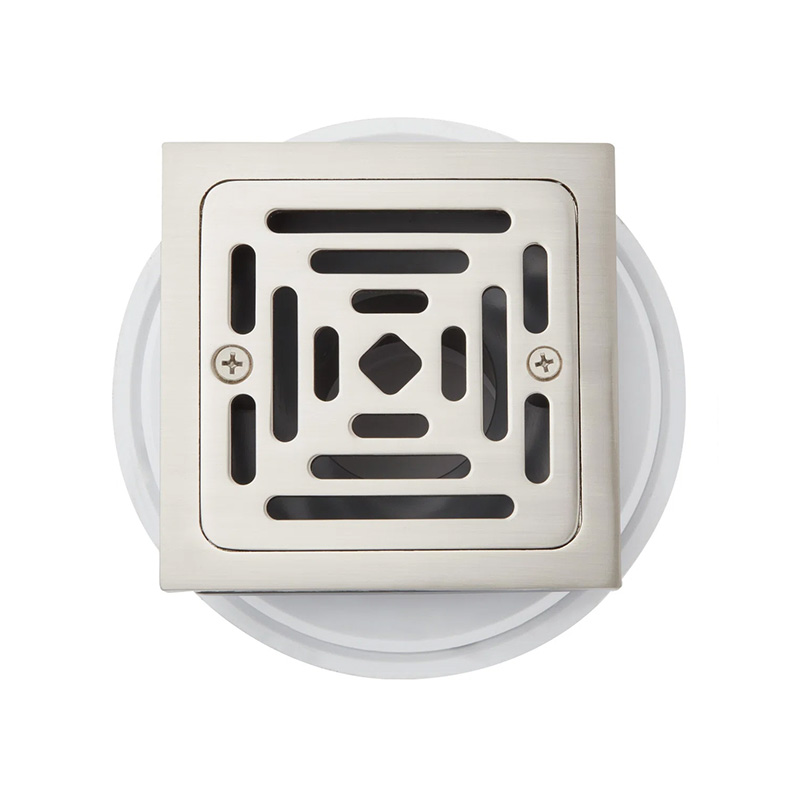
Why Shower Drains Get Blocked
Most shower drains become clogged because hair, soap, skin residue, and dust gradually collect around the drain opening and inside the trap area. At first, the change may be small. Water drains a little slower, but the shower still seems usable. Over time, that buildup becomes thicker, and the water begins to pool on the floor.
In busy bathrooms, the problem grows faster. Hotel rooms, apartment units, and family bathrooms often see more frequent use, which means debris builds up more quickly. If the drain design is hard to access or hard to clean, even basic maintenance can become frustrating.
Start With The Visible Debris
The first step is always the simplest one. Remove the drain cover and check the visible area around the opening. In many cases, the main blockage is near the top, where hair and soap residue collect first. Once this layer is removed, water flow often improves immediately.
This step should be done carefully and regularly. Waiting until the drain is fully blocked usually turns a simple cleaning task into a more difficult one. For project maintenance teams, that means more labor time and more complaints from end users.
Use Warm Water And Mild Cleaning
After removing visible debris, flushing the drain with warm water helps loosen soap residue and light buildup. This is often enough for regular maintenance when the drain has not yet developed a serious blockage. A mild cleaner can also help remove surface residue without being too aggressive on the finish.
The goal is to clean the drain without damaging the visible cover or surrounding bathroom surface. In modern shower areas, appearance matters almost as much as drainage performance. A drain that stays easier to maintain will keep the whole shower area looking better over time.
Check The Trap Area Carefully
If water still drains slowly after basic cleaning, the blockage may be deeper inside the trap or odor-prevention structure. This area should be checked carefully and cleaned according to the drain design. Hair and soap buildup often settle here because this is where water slows down before entering the waste line.
A drain that is designed for easier access has a clear advantage here. In real use, cleaning convenience matters a lot. It reduces maintenance effort and helps users solve minor drainage problems before they become larger service issues.
Avoid Overly Harsh Cleaning Methods
One common mistake is using very aggressive chemicals or sharp tools as the first solution. These may seem faster, but they can create new problems. Strong chemicals may affect the surrounding surface or cause unnecessary wear over time. Sharp tools can scratch the drain cover and reduce the overall finish quality.
A better approach is to start with physical cleaning and mild flushing, then move to stronger methods only when truly necessary. This protects both the drain and the bathroom finish while keeping the cleaning process more controlled.
Why Drain Design Affects Cleaning Efficiency
Not all shower drains are equally easy to clean. A product with a removable cover, practical internal access, and a smoother structure is much easier to maintain than one that traps residue in hard-to-reach corners. This is one reason many buyers now care not only about style, but also about cleaning convenience.
In project bathrooms, maintenance efficiency is a real cost factor. If a drain is difficult to open, difficult to wipe, or difficult to inspect, property teams spend more time on the same task. Over many rooms, that becomes a noticeable burden. Easy-clean structure is therefore not just a product detail. It is part of long-term value.
Regular Cleaning Prevents Bigger Problems
The best way to clean out a shower drain is to avoid heavy blockage in the first place. Regular removal of hair, light rinsing, and basic inspection keep the drainage system working more smoothly. This is much easier than dealing with a severe clog later.
In apartments, hotels, and residential projects, routine maintenance also protects the user experience. Slow drainage is one of the quickest ways to make a bathroom feel poorly maintained, even when the rest of the space looks clean.
What B-End Buyers Usually Care About
For B-end buyers, the drain is not only a floor fitting. It is part of the full bathroom solution. Buyers usually care about whether the drain is easy to install, easy to clean, visually consistent with modern tile layouts, and dependable in long-term use. If a drain looks good but creates constant maintenance trouble, its value drops quickly.
This is why easy-access design, stable drainage performance, and low-maintenance structure matter so much in project supply. In real use, those features support better efficiency for property teams and better satisfaction for end users.
Conclusion
Cleaning out a shower drain starts with removing visible debris, flushing with warm water, and checking the trap area before buildup becomes severe. A regular cleaning routine helps prevent slow drainage, reduces odor problems, and keeps the shower area more hygienic and easier to maintain.
For B-end buyers, cleaning efficiency is closely tied to product value. A well-designed shower drain should not only support good water flow, but also make routine maintenance easier in daily use.
If you are selecting shower drains for residential, apartment, hotel, or project supply and want support with product matching, maintenance considerations, or drainage design selection, feel free to contact us. We can help you review suitable options and provide practical guidance for more efficient bathroom solutions.
Previous: