




How To Build A Shower Niche?
Building a shower niche is one of the smartest ways to improve shower storage without adding bulky shelves or hanging baskets. A well-built niche keeps shampoo, soap, and other shower items within easy reach while making the wall look cleaner and more integrated. In modern bathrooms, it is no longer treated as a small extra detail. It has become part of the wall design itself.
That is why this topic matters in both residential and commercial projects. A shower niche may seem simple, but if it is built in the wrong place, at the wrong size, or without proper waterproofing, it can create daily inconvenience and long-term maintenance problems. If it is planned well, it improves both function and appearance at the same time.
For contractors, distributors, and project buyers, a shower niche is not only about storage. It is also about installation efficiency, waterproof safety, visual consistency, and how well the final bathroom performs after handover. A niche that looks attractive in photos still needs to be easy to install, easy to clean, and practical in real use.
Understand What A Shower Niche Really Does
A shower niche is a recessed storage space built directly into the shower wall. Instead of using an external rack or basket, the wall itself becomes the storage area. This keeps the shower zone more open and reduces visual clutter.
In daily use, the niche should do three things well. It should keep toiletries within comfortable reach, protect the overall look of the shower wall, and stay easy to clean over time. A good niche is not only about having an opening in the wall. It is about building that opening in a way that supports waterproofing, drainage, and long-term durability.
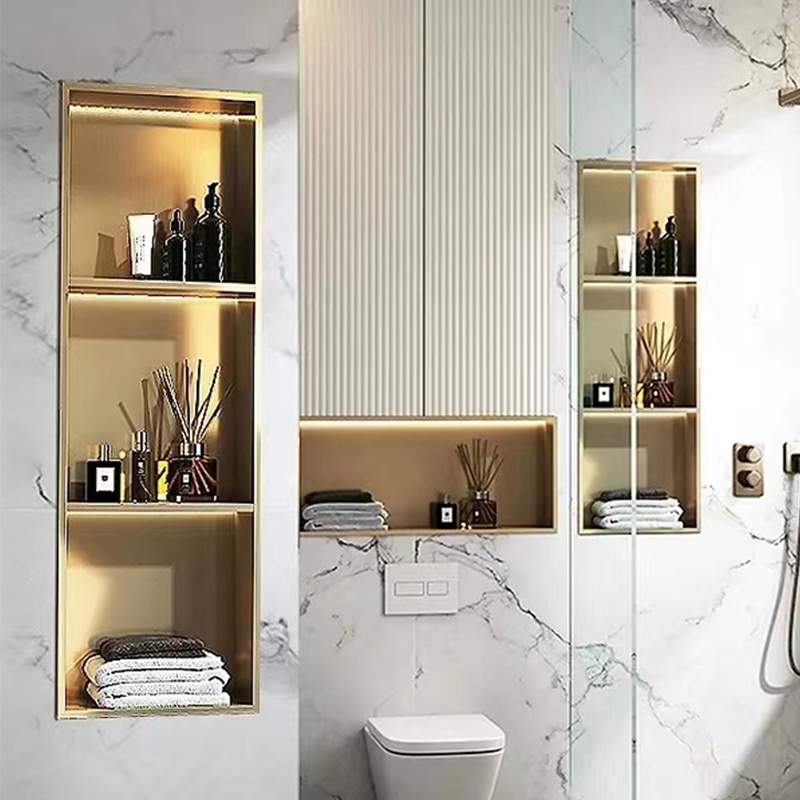
Vertical Niches are especially useful when the goal is to separate and organize different items in a cleaner way. They often work well in modern bathrooms because the shape feels neat and space-efficient, especially on narrower wall sections.
Start With The Right Wall Planning
Before building a shower niche, the most important step is wall planning. A niche should not be added as an afterthought after the plumbing and wall framing are already fixed. The better approach is to decide the niche location early, so it fits the wall structure and does not interfere with pipes, supports, or other built-in components.
The chosen wall should allow the niche to sit naturally within the shower area while remaining easy to reach. It should not be so close to the edge that the wall looks crowded, and it should not be placed where the user has to stretch awkwardly every time they need shampoo or body wash.
For project buyers, this early planning stage is very important. A niche may be a small product, but if its location conflicts with site conditions, the installation becomes slower and more expensive. In multi-unit projects, that can quickly affect schedules and labor cost.
Choose A Practical Height
Height is one of the biggest factors in whether a shower niche feels convenient or frustrating. A niche built too high may look fine in elevation drawings, but it becomes annoying in daily use. A niche built too low can make the wall look unbalanced and force the user to bend every time they reach for a bottle.
The best height is usually one that follows normal hand movement during shower use. The user should be able to place and remove items naturally, without lifting the arm too high or reaching down too often. This matters even more in family bathrooms, hotels, and apartments where different users will use the same space.
In project settings, standardized height also improves consistency. When niche placement is handled carefully across multiple rooms, the finished bathrooms feel more professional and better coordinated.
Keep Waterproofing At The Center Of The Build
A shower niche is built inside a wet area, so waterproofing is not a secondary issue. It is the core of the whole build. No matter how attractive the niche looks, it will create long-term risk if the waterproofing is weak.
The wall opening must be prepared carefully, and all surrounding surfaces need reliable waterproof treatment before tile finishing or final installation. Corners, edges, and transition points are especially important because these are the areas where moisture problems usually begin.
This is one reason many contractors and buyers now prefer prefabricated shower niches rather than building everything on site from scratch. A finished niche body can reduce site work, improve dimensional consistency, and help avoid some of the waterproofing errors that happen during manual construction.
For B-end buyers, this matters a great deal. Hidden leakage is one of the most expensive bathroom problems because it often appears after the project is already completed. A niche solution that supports easier waterproof control reduces risk across the whole supply chain.
Think About Drainage, Not Just Storage
When people talk about building a shower niche, they often focus only on storage space. But drainage matters just as much. Water will enter the niche during normal shower use, and if the bottom surface does not allow water to move out properly, residue and moisture will stay inside longer.
A better niche design includes a slight bottom slope to help drainage and reduce water pooling. This makes the niche easier to keep clean and improves the user experience over time. It also helps maintain a more polished appearance, especially in premium bathrooms where visual cleanliness matters.
This point is often underestimated during product selection. Buyers may focus on color, size, or finish first, but practical drainage design often has a bigger effect on long-term satisfaction than appearance alone.
Size Should Match Real Storage Needs
A shower niche should not be too small for standard toiletries, but it should also not be oversized without reason. The right size depends on how the shower will actually be used. Some bathrooms only need space for basic shampoo and soap. Others need room for multiple products, family use, or premium hotel amenities.
A vertical niche works especially well when the goal is to separate products by level and keep the wall looking more refined. It can create a cleaner storage rhythm than a wider shelf in certain layouts. In narrow shower walls, this format often feels more natural and more balanced.
For B-end customers, size flexibility is a major advantage. Projects do not all follow the same wall dimensions or design style. Custom sizing can make the niche easier to integrate into different bathroom types, especially where builders want a more tailored result.
Material Choice Changes The Whole Result
Material matters because a shower niche stays inside a high-moisture environment for years. If the body material is weak, poorly finished, or difficult to maintain, the product will lose value quickly after installation.
A stainless steel niche is often preferred because it offers good durability, corrosion resistance, and a cleaner modern appearance. It also supports easier maintenance in daily use. In higher-end bathrooms, surface finish becomes part of the product value as well. A PVD finish, for example, helps create a more premium decorative effect while supporting better surface performance in the right application.
For buyers serving residential, hospitality, and project channels, material selection is not only about aesthetics. It affects maintenance, visual consistency, and long-term user confidence.
Build For Installation Efficiency
A shower niche should not make the installer’s work harder than necessary. In many projects, labor cost, installation speed, and finish consistency are just as important as the product itself. If the niche requires too much site adjustment or creates unnecessary complexity, the total project cost rises even if the product price looks competitive.
That is why ready-made recessed niche products are becoming more attractive in the market. They simplify installation, reduce field error, and help the final result stay more consistent from one bathroom to the next. In larger apartment or hotel projects, that efficiency can make a noticeable difference.
From a B-end perspective, this is often one of the most important pain points. Buyers do not only want a niche that looks good in a catalog. They want one that helps site teams work faster and reduces rework risk after installation.
Match The Niche To The Bathroom Style
A shower niche should work with the rest of the bathroom, not feel like a separate piece added at the last minute. The shape, finish, and position should all relate to the shower fittings, tile layout, and overall design direction.
A vertical niche can be especially effective in modern bathrooms because it adds a strong, clean line to the wall. In spaces that use decorative finishes such as brushed metallic or gold-tone details, the niche can also become part of the visual identity of the shower area rather than just a storage opening.
This design value matters in premium residential bathrooms, apartments, hotels, and other spaces where visual presentation affects the customer’s impression. A well-integrated niche helps the shower feel more complete.
Common Mistakes To Avoid
One of the most common mistakes is building the niche without planning around wall structure and plumbing. Another is placing it at an awkward height that looks acceptable on paper but feels uncomfortable in daily use. Poor waterproofing is another major issue, especially when the niche is site-built without careful edge treatment.
There is also the problem of ignoring drainage. A niche that holds water too easily becomes harder to clean and less pleasant to use. Finally, many projects fail to think about long-term maintenance. A niche should not only look good at handover. It should still perform well after months and years of normal use.
For buyers and contractors, these mistakes usually do not stay small. When repeated across a project, they become cost, service, and reputation problems.
Why This Matters For B-End Buyers
For B-end buyers, a shower niche is part of the total bathroom solution. It affects storage, wall design, cleaning convenience, and installation quality. In project supply, those details shape customer feedback more than many people expect.
Buyers usually want products that are easy to integrate into different wall conditions, available in flexible sizes, and suitable for custom project requirements. They also care about how the niche performs after installation, especially in wet environments where durability and waterproof reliability matter most.
A well-designed niche can improve the value of the whole bathroom package. It helps create a cleaner shower experience, reduces the need for extra accessories, and supports a more modern finished look. That makes it more than just a wall opening. It becomes part of the product strategy.
Conclusion
Building a shower niche the right way starts with proper wall planning, practical height selection, strong waterproofing, and a design that supports both drainage and daily storage. A good niche should be easy to reach, easy to clean, and well matched to the overall bathroom layout. When these details are handled well, the niche becomes one of the most useful and attractive parts of the shower wall.
For project buyers, contractors, and distributors, the real value of a shower niche is not only in appearance. It is in installation efficiency, long-term reliability, and how well the product fits real bathroom use.
If you are selecting vertical shower niches for residential, apartment, hotel, or project supply and want support with product matching, customization, or installation planning, feel free to contact us. We can help you review suitable options and provide practical guidance for a more efficient and reliable bathroom solution.
Previous: How To Clean Out Shower Drain?